
What Are the Benefits of Preventive Dental Care? Comprehensive Insights for Better Oral Health
February 19, 2026

Preventive dental care is essential for maintaining optimal oral health and preventing serious dental issues. This article explores the numerous benefits of preventive dental care, including how routine checkups and cleanings can lead to early detection of problems, ultimately saving time and money. Many individuals overlook the importance of regular dental visits, often leading to more significant health issues down the line. By understanding the advantages of preventive care, readers can make informed decisions about their oral health. This guide will cover the importance of routine dental checkups, gum disease prevention, the role of fluoride treatments and sealants, the enhancement of smile confidence, and what to expect during a preventive dental visit.
Why Are Routine Dental Checkups Essential for Oral Health?
Routine dental checkups are crucial for maintaining oral health as they allow for the early detection of potential issues. Regular visits to the dentist help identify problems such as cavities, gum disease, and oral cancer before they escalate into more severe conditions. These checkups also include professional cleanings that remove plaque and tartar buildup, which can lead to cavities and gum disease if left untreated. By investing in routine dental exams, patients can save on future dental costs and maintain a healthier smile.
Studies consistently demonstrate the financial benefits of proactive dental care, highlighting how preventive programs can lead to significant cost savings in the long run.
Cost-Effectiveness of Preventive Oral Health ProgramsAbstractObjectiveTo estimate the cost-effectiveness of a medical office–based preventive oral health program in North Carolina called Into the Mouths of Babes (IMB).DesignObservational study using Medicaid claims data (2000-2006).SettingMedical staff delivered IMB services in medical offices, and dentists provided dental services in offices or hospitals.ParticipantsA total of 209 285 children enrolled in Medicaid at age 6 months.InterventionsInto the Mouths of Babes visits included screening, parental counseling, topical fluoride application, and referral to dentists, if needed. The cost-effectiveness analysis used the Medicaid program perspective and a propensity score–matched sample with regression analysis to compare children with 4 or more vs 0 IMB visits.Main Outcome MeasuresDental treatments and Medicaid payments for children up to age 6 years enabled assessment of the likelihood of whether IMB was cost-saving and, if not, the additional payments per hospital episode avoided.Cost-effectiveness of preventive oral health care in medical offices for young Medicaid enrollees, SC Stearns, 2012
How Do Regular Dental Exams Detect Early Signs of Problems?
Regular dental exams are designed to identify early signs of dental issues, which can significantly impact treatment outcomes. During these exams, dentists use various tools and techniques to assess the condition of teeth and gums. Common problems detected during these visits include:
- Cavities: Early detection allows for less invasive treatments, such as fillings.
- Gum Disease: Identifying gingivitis or periodontitis early can prevent tooth loss.
- Oral Cancer: Routine screenings can catch signs of oral cancer at an early stage, improving survival rates.
By addressing these issues promptly, patients can avoid more extensive and costly procedures in the future.
This proactive approach aligns with research emphasizing that early detection is key to preventing minor dental problems from escalating into more severe and expensive conditions.
Benefits of Regular Dental Check-ups & Early DetectionOne of the primary benefits of regular dental check-ups is the early detection of dental problems. This proactive approach allows dentists to identify issues such as cavities, gum disease, and other oral health concerns in their initial stages, when they are often easier and less costly to treat. Early detection can prevent minor problems from escalating into more severe conditions that might require extensive and expensive interventions.The Crucial Role of Regular Dental Check-ups and Cleanings in Maintaining Oral Health: A Comprehensive Review, 2024
What Are the Key Benefits of Professional Dental Cleanings?
Professional dental cleanings offer several benefits that go beyond what can be achieved through regular brushing and flossing. These cleanings help to:
- Remove Plaque and Tartar: Dental hygienists use specialized tools to eliminate plaque and tartar that regular brushing cannot reach.
- Prevent Cavities: By removing harmful bacteria, professional cleanings reduce the risk of cavities and decay.
- Improve Overall Health: Studies have shown a link between oral health and overall health, with cleanings contributing to better cardiovascular health and reducing the risk of systemic conditions such as diabetes complications.
Investing in professional cleanings is a proactive approach to maintaining oral health and preventing future complications.
Beyond professional cleanings, daily at-home practices, particularly interdental cleaning, are crucial for preventing common oral diseases like caries and gum disease.
Interdental Cleaning for Caries & Gum Disease PreventionDental caries (tooth decay) and periodontal diseases (gingivitis and periodontitis) affect the majority of people worldwide, and treatment costs place a significant burden on health services. Decay and gum disease can cause pain, eating and speaking difficulties, low self‐esteem, and even tooth loss and the need for surgery. As dental plaque is the primary cause, self‐administered daily mechanical disruption and removal of plaque is important for oral health. Toothbrushing can remove supragingival plaque on the facial and lingual/palatal surfaces, but special devices (such as floss, brushes, sticks, and irrigators) are often recommended to reach into the interdental area.Home use of interdental cleaning devices, in addition to toothbrushing, for preventing and controlling periodontal diseases and dental caries, HV Worthington, 2019
How Does Preventive Care Help in Gum Disease Prevention?
Preventive care plays a vital role in reducing the risk of gum disease, a common yet serious condition that can lead to tooth loss. Understanding the importance of preventive measures can help individuals maintain healthier gums and teeth.
What Are the Early Signs of Gum Disease to Watch For?
Recognizing the early signs of gum disease is crucial for effective treatment. Common symptoms include:
- Red or Swollen Gums: Healthy gums should be pink and firm; any discoloration or swelling is a warning sign.
- Bleeding During Brushing or Flossing: This can indicate gingivitis, the earliest stage of gum disease.
- Persistent Bad Breath: Chronic bad breath can be a sign of gum infection.
By being aware of these symptoms, individuals can seek dental care promptly, preventing the progression of gum disease.
Which Preventive Procedures Reduce Gum Disease Risks?
Several preventive procedures can significantly reduce the risk of developing gum disease:
- Scaling and Root Planing: This deep cleaning procedure removes plaque and tartar from below the gum line.
- Regular Cleanings: Scheduling cleanings every six months helps maintain gum health.
- Patient Education: Dentists can provide guidance on proper brushing and flossing techniques to enhance at-home care.
Implementing these preventive measures can lead to healthier gums and a reduced risk of tooth loss.
What Role Do Fluoride Treatments and Sealants Play in Prevention?
Fluoride treatments and dental sealants are effective preventive measures that protect teeth from decay and cavities. Understanding their roles can help patients make informed decisions about their dental care.
How Does Fluoride Strengthen Teeth Against Cavities?
Fluoride is a mineral that helps strengthen tooth enamel, making it more resistant to decay. It works by:
- Remineralizing Enamel: Fluoride helps repair early stages of tooth decay by promoting the remineralization of enamel.
- Inhibiting Bacterial Growth: It reduces the ability of bacteria to produce acid, which is responsible for cavities.
- Enhancing Resistance: Regular fluoride treatments can significantly decrease the incidence of cavities, especially in children and adolescents.
Incorporating fluoride into dental care routines is a simple yet effective way to enhance oral health.
When Are Dental Sealants Recommended for Patients?
Dental sealants =are thin coatings applied to the chewing surfaces of back teeth, where decay often occurs. They are recommended for:
- Children and Adolescents: Sealants are particularly beneficial for children, as their molars are more susceptible to cavities.
- Adults with High Cavity Risk: Adults who have a history of cavities may also benefit from sealants.
- Patients with Deep Grooves in Teeth: Those with deep pits and fissures in their molars are ideal candidates for sealants.
Sealants provide an additional layer of protection, making it harder for food particles and bacteria to settle in the grooves of teeth.
How Does Preventive Dental Care Enhance Smile Confidence and Appearance?
Preventive dental care not only contributes to oral health but also enhances smile confidence and overall appearance. A healthy smile can significantly impact self-esteem and social interactions.
What Cosmetic Benefits Result from Maintaining Oral Hygiene?
Maintaining good oral hygiene through preventive care offers several cosmetic benefits:
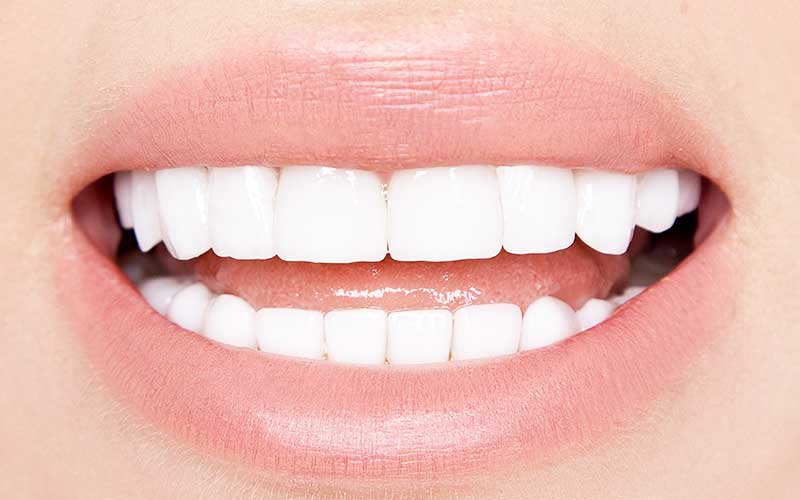
- Whiter Teeth: Regular cleanings help remove surface stains and discoloration, leading to a brighter smile.
- Healthier Gums: Well-maintained gums contribute to a more attractive smile and reduce the risk of gum disease.
- Improved Overall Appearance: A healthy smile can enhance facial aesthetics and boost confidence.
Investing in preventive care is an investment in one's appearance and self-esteem.
How Does Early Cavity Detection Support Aesthetic Dentistry?
Early detection of cavities is crucial for preserving the aesthetics of a smile. When cavities are caught early, they can be treated with less invasive procedures, such as fillings, which maintain the tooth's natural appearance. This proactive approach helps avoid more extensive treatments, such as crowns or extractions, which can alter the smile's aesthetics. By prioritizing preventive care, patients can ensure their smiles remain beautiful and healthy.
What Should Patients Expect During a Preventive Dental Visit?
Understanding what to expect during a preventive dental visit can help alleviate anxiety and prepare patients for their appointments.
How Often Should You Schedule Routine Dental Cleanings?
Most dental professionals recommend scheduling routine dental cleanings every six months. However, the frequency may vary based on individual needs, such as:
- Personal Oral Health: Patients with a history of gum disease or high cavity risk may need more frequent visits.
- Age: Children and adolescents may require more regular checkups as their teeth develop.
- Lifestyle Factors: Smokers or individuals with poor oral hygiene may benefit from more frequent cleanings.
Regular visits are essential for maintaining optimal oral health and preventing future issues.
What Are the Steps Involved in a Typical Preventive Appointment?
A typical preventive dental appointment involves several key steps:
- Initial Assessment: The dentist will review the patient's medical history and perform a visual examination.
- Cleaning Process: A dental hygienist will clean the teeth, removing plaque and tartar buildup.
- Fluoride Treatment: If necessary, a fluoride treatment may be applied to strengthen the teeth.
- Follow-Up Recommendations: The dentist will provide guidance on at-home care and schedule the next appointment.
By understanding these steps, patients can feel more comfortable and prepared for their visits.
Preventive dental care is a vital aspect of maintaining overall health and well-being. By prioritizing routine checkups, cleanings, and preventive treatments, individuals can enjoy healthier smiles and enhanced confidence. The benefits of preventive care extend beyond oral health, positively impacting overall quality of life.
Related Articles
.jpg)
