
Restorative Dentistry: Restore Your Smile with Confidence — Types, Benefits, and Local Care
February 5, 2026

Restorative dentistry repairs and replaces damaged teeth so you can eat, speak, and smile with confidence. In this guide we explain common restorative options, the benefits they bring, and practical steps to manage cost and anxiety — with a focus on care available here in Staten Island. Whether you’re dealing with decay, a broken tooth, or tooth loss, modern restorative treatments can restore both function and appearance, helping you feel like yourself again.
What is restorative dentistry, and how can it improve your smile?
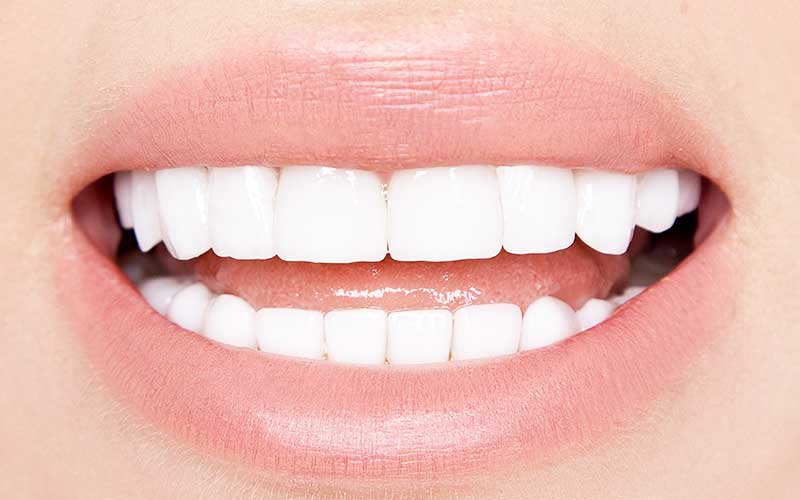
Restorative dentistry covers treatments that rebuild or replace teeth affected by decay, injury, or loss. The aim is simple: bring back normal function and a natural look. By addressing cavities, fractures, and missing teeth, restorative care helps you chew comfortably, speak clearly, and smile without self-consciousness.
When a tooth’s structure is weakened, restorative treatment protects function and appearance so the whole mouth stays healthier.
Esthetic and Functional Restorative ProceduresWhen tooth structure fails, esthetic restorative solutions step in — and the choice of material should meet both cosmetic and functional needs when replacing missing or damaged tooth tissue.Restorative dentistry, 2019
What restorative procedures are meant to do
Restorative procedures repair damaged teeth or replace missing ones to restore shape, strength, and appearance. The goal is a stable bite and a smile that looks natural. Common options include fillings, crowns, bridges, and implants — each selected to match your specific dental needs and long-term oral health goals.
How restorative care supports oral health and confidence
Restorative work does more than improve looks. By fixing problems early, it prevents infections, preserves surrounding teeth, and helps avoid shifting or bite issues. Many patients tell us they feel more confident and comfortable socially and professionally after treatment — a restored smile often means a big boost in daily life.
What types of restorative procedures are available?
Common restorative treatments include:
Dental Crowns : Custom caps that strengthen and protect teeth that are cracked or heavily filled while improving appearance.
Tooth Extractions : Removal of a tooth that cannot be saved, followed by options to replace it.
Implant Restoration : Replacing a missing tooth with an implant-supported crown for a long-term, natural-feeling solution.
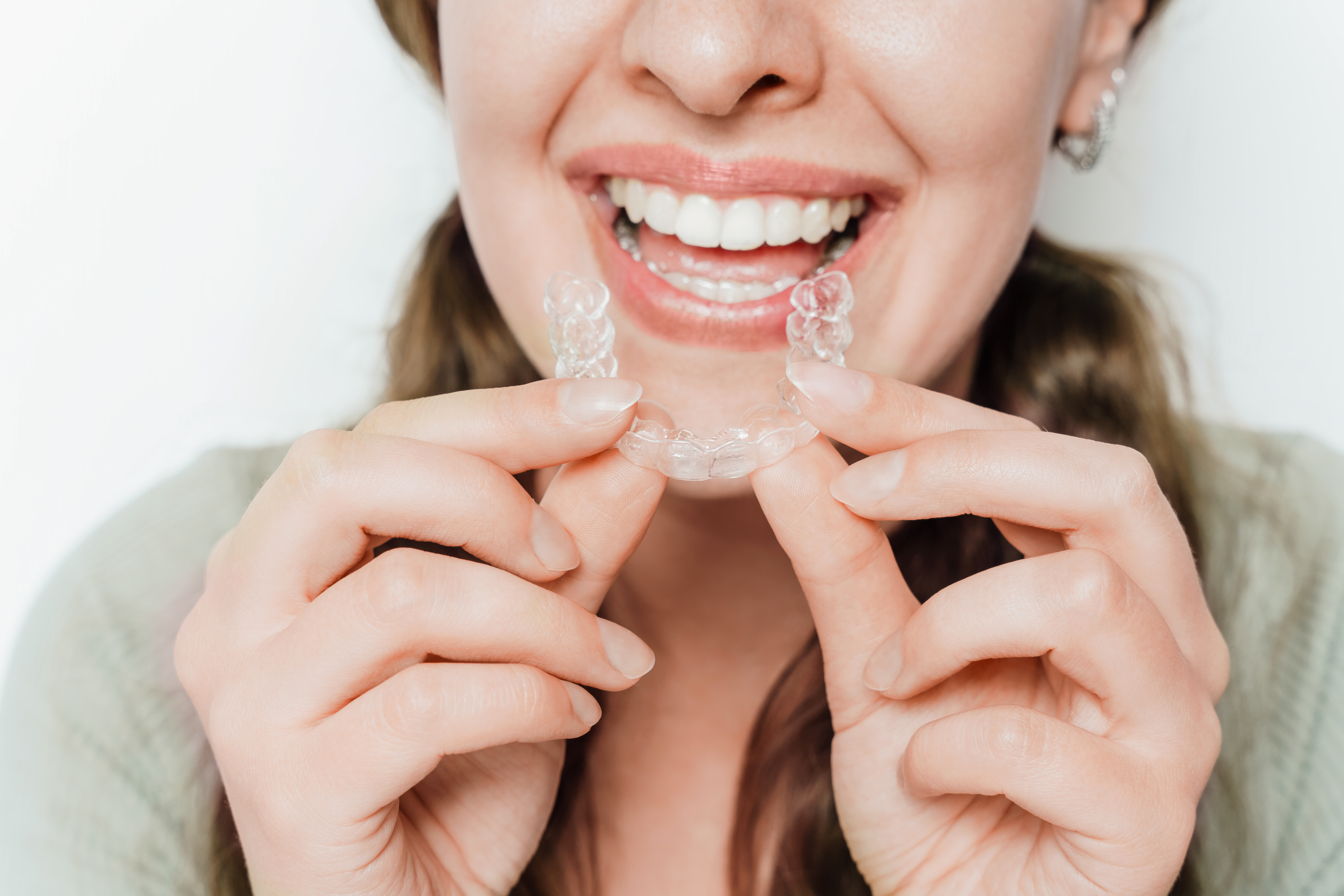
Night Guards : Tailored appliances that protect teeth from grinding and reduce wear while you sleep.
Staten Island Dental Boutique offers these restorative services as part of a coordinated care plan, so patients have access to comprehensive local treatment.
What are dental fillings and when do you need them?
Fillings repair cavities after the dentist removes decayed tissue. Materials can range from tooth-colored composite to traditional amalgam or gold, depending on the tooth and the situation. Regular check-ups help catch decay early so a simple filling will do the job before the problem grows.
How do crowns and bridges restore damaged or missing teeth?
Crowns cover and protect a weakened tooth, restoring strength and natural appearance. Bridges replace one or more missing teeth by anchoring to neighboring teeth. Both solutions restore chewing and speaking ability and are crafted to blend with your smile.
Why are dental implants often considered the best option for tooth replacement in Staten Island?
Dental implants are widely seen as the gold standard because they’re stable, durable, and look like natural teeth. Implants are placed into the jawbone, where they fuse with the bone to provide a secure foundation for a crown. This approach restores function and helps preserve the jawbone, reducing the risk of bone loss commonly seen after tooth loss.
The clinical evidence supports implants as a reliable method for replacing missing teeth and restoring oral function.
Dental implants: reliable options for tooth loss and oral rehabilitationTooth loss affects chewing, speech, and facial appearance. For decades, dental implants and implant-supported prostheses have been used successfully to rehabilitate patients who are partially or fully edentulous.Mesenchymal stem cells and dental implant osseointegration during aging: from mechanisms to therapy, 2023
What does the implant process and recovery look like?
Implant treatment starts with a thorough exam and personalized plan. The implant is surgically placed into the jawbone and left to integrate with the bone (osseointegration). After healing, an abutment and then a custom crown are attached. You may have some swelling and mild discomfort at first, but most patients return to normal activities within a few days to a week.
Who is a good candidate for implants and what are the benefits?
Good candidates generally have one or more missing teeth and sufficient jawbone to support an implant. Benefits include improved chewing, a natural look, long-term durability, and protection of adjacent teeth since implants don’t require altering neighboring teeth as bridges sometimes do.
What about dentures, inlays, onlays, and root canals?
Dentures, inlays, onlays, and root canal therapy each solve different problems. Dentures replace multiple missing teeth, while inlays and onlays repair damaged tooth structure without a full crown. Root canal therapy treats infected tooth pulp to save the tooth and remove pain and infection.
How do full and partial dentures address tooth loss?
Full dentures replace all teeth in an arch; partials fill gaps when some natural teeth remain. Both restore chewing and speech and can be made to look natural. Proper care and periodic adjustments keep them comfortable and effective.
When are inlays, onlays, or root canal therapy recommended?
Inlays and onlays are ideal when a tooth needs more repair than a filling but less than a crown. Root canal therapy is recommended when the tooth’s nerve (pulp) is infected — it removes infection and preserves the tooth structure so you can keep the natural tooth rather than extract it.
What benefits does restorative dentistry deliver beyond a nicer smile?
Restorative dentistry improves function, prevents future problems, and contributes to overall health. By restoring teeth properly, patients eat and speak better, lower the risk of infection, and enjoy greater confidence in daily life.
How does restorative care improve function and oral health?
Restorative treatments restore chewing efficiency, help maintain proper bite alignment, and make oral hygiene easier. Fixing issues early reduces the chance of more serious complications, supporting long-term oral and general health.
How does restorative care boost appearance and self-confidence?
well-restored smile often translates into more confidence in social and professional settings. Many patients report feeling more comfortable smiling and engaging with others after treatment — the psychological benefits are as real as the physical ones.
How can you manage costs and dental anxiety for restorative care in Staten Island?
Cost and fear are common concerns. Understanding price ranges, talking through financing options, and using relaxation or sedation techniques can make treatment more affordable and less stressful. Planning and open communication with your care team help most patients move forward comfortably.
Tackling dental anxiety is important — fear can stop people from getting the care they need, so addressing it improves outcomes for everyone.
Managing fear and anxiety with restorative dental careWhen fear keeps patients away, both the patient and the dental team lose out. It's important to understand how different restorative procedures relate to dental anxiety, pain, and avoidance so care can be adapted appropriately.Management of fear and anxiety in the dental clinic: a review, JM Armfield, 2013
What are typical costs and financing options?
Prices vary by treatment and individual needs. As a general guide, implants often range from $3,000 to $5,000, and crowns typically fall between $800 and $1,700. Many practices — including Staten Island Dental Boutique — provide financing or payment plans to make care manageable.
How does Staten Island Dental Boutique help with anxiety and comfort?
We prioritize your comfort. Our office uses a calming environment, clear communication, and, when appropriate, sedation options to reduce anxiety. We work with you to create a treatment plan that feels safe and predictable at every step.
Restorative dentistry helps you keep your mouth healthy and your smile natural. Knowing your options, costs, and comfort measures lets you make confident choices about care. Staten Island Dental Boutique is committed to offering coordinated restorative services designed to fit your life and goals.
Frequently Asked Questions
What should I expect during my first restorative dental consultation?
Your first visit includes a full exam, discussion of your dental history, and any necessary X-rays to evaluate teeth and jawbone. We’ll listen to your concerns, explain recommended options, and outline a customized treatment plan that balances function, appearance, and timing so you know what to expect.
How long do restorative dental procedures typically last?
Longevity depends on the treatment and your care. Fillings often last 5–15 years, crowns can last 10–15 years or longer with good care, and implants are intended as a long-term — often lifetime — solution when cared for properly. Routine dental visits and good oral hygiene extend the life of any restoration.
Are there any risks associated with restorative dental procedures?
Like any medical treatment, restorative procedures carry risks such as infection, allergic reactions to materials, or complications during healing. Implant failure is possible if bone support is insufficient or aftercare isn’t followed. Your dentist will review potential risks and steps to minimize them so you can make an informed choice.
How can I maintain my restorative dental work?
Maintain restorations with daily brushing, flossing, and regular dental check-ups. Avoid hard or sticky foods that could damage restorations, and consider a mouthguard for sports or if you grind your teeth. Quitting smoking and keeping routine cleanings will help restorations last longer.
What are the differences between inlays and onlays?
Inlays fit within the cusps of a tooth and repair smaller areas; onlays cover one or more cusps and protect a larger portion of the chewing surface. Both are custom-made from durable materials like porcelain or composite resin and offer a conservative alternative to full crowns.
Can restorative dentistry help with dental anxiety?
Yes. Restorative dentistry can ease anxiety by resolving pain and improving function, which often reduces fearful feelings about the mouth. Many practices, including Staten Island Dental Boutique, offer sedation options and a calm environment. Honest communication about your fears lets the team tailor care to keep you comfortable.
What should I do if I experience discomfort after a restorative procedure?
Follow your dentist’s post-op instructions. Mild discomfort is common and usually controlled with over-the-counter pain relief. If pain intensifies, swelling develops, or you notice unusual symptoms, contact your dentist promptly so they can evaluate you and ensure proper healing.
Conclusion
Restorative dentistry restores function, protects oral health, and often brings a meaningful boost in confidence. Understanding your options makes it easier to choose the right path for your needs. If you’re ready to explore restorative care, Staten Island Dental Boutique can help you plan a comfortable, effective treatment to restore your smile.
Related Articles
.jpg)
