
Comprehensive Dental Care Services in Staten Island, NY: Your Guide to Cosmetic, Family, and Emergency Dentistry
December 30, 2025

Comprehensive dental care combines preventive, restorative, and cosmetic treatments to protect oral health, restore function, and improve smile aesthetics for patients of all ages in Staten Island, NY. This guide explains what modern comprehensive care entails, why an integrated approach reduces long-term risks like tooth loss and gum disease, and how targeted cosmetic, family, and emergency services work together to support lasting oral health and confidence. Readers will learn which cosmetic procedures deliver predictable results, how to evaluate a family dentist for pediatric and adult needs, when dental implants are the best restorative choice, and how to access urgent dental care during acute problems. The article also maps practical patient resources—financing, scheduling, and aftercare—to make treatment decisions easier. Throughout, we reference current research and clinical practice trends that influence treatment selection and outcomes, while providing clear checklists and comparisons to help Staten Island patients choose the right care pathway.
What Cosmetic Dentistry Services Are Available in Staten Island?
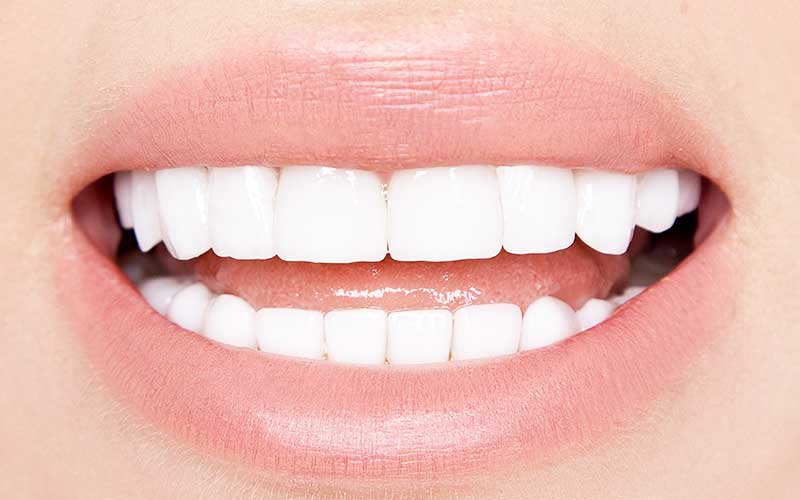
Cosmetic dentistry encompasses procedures that improve tooth color, shape, alignment, and overall smile balance to enhance appearance and oral function. These treatments work by altering enamel surfaces, adding restorations, or repositioning teeth, and they deliver benefits such as improved esthetics, easier hygiene, and increased self-confidence. Ideal candidates typically have stable oral health (no active decay or untreated gum disease) and realistic expectations about longevity and maintenance, while treatment planning often blends aesthetic goals with functional considerations. Below we compare common cosmetic options to clarify which addresses specific concerns and what outcomes patients can expect.
Cosmetic procedures vary in invasiveness and longevity, so understanding trade-offs informs the best choice. The table below summarizes typical cosmetic procedures, the main steps involved, and the practical benefits each delivers for smile enhancement.
This comparison helps patients quickly match cosmetic goals to treatment types and sets expectations for timelines and maintenance. Understanding these options leads naturally into the specifics of whitening techniques and veneer-based makeovers.
How Do Teeth Whitening Treatments Enhance Your Smile Safely?
Teeth whitening lightens tooth enamel by oxidizing stain molecules using peroxide-based agents, and it is effective for extrinsic discoloration and some intrinsic stains when performed after a dental evaluation. In-office whitening delivers higher-concentration peroxide for faster results under professional supervision, while take-home trays use lower-concentration gels for gradual improvement; both approaches reduce the risk of uneven whitening when monitored clinically. Sensitivity is the most common side effect, and clinicians manage it with desensitizing agents, altered protocols, or shorter activation times to maintain patient comfort. Patients should expect immediate to short-term improvement after in-office treatment and should maintain results with good hygiene and occasional touch-up trays.
Comparing in-office and take-home approaches clarifies who benefits most from each option and informs follow-up planning. Understanding these safety and maintenance considerations transitions into when veneers or full smile makeovers are more appropriate for broader aesthetic corrections.
What Are the Benefits of Veneers and Smile Makeovers?
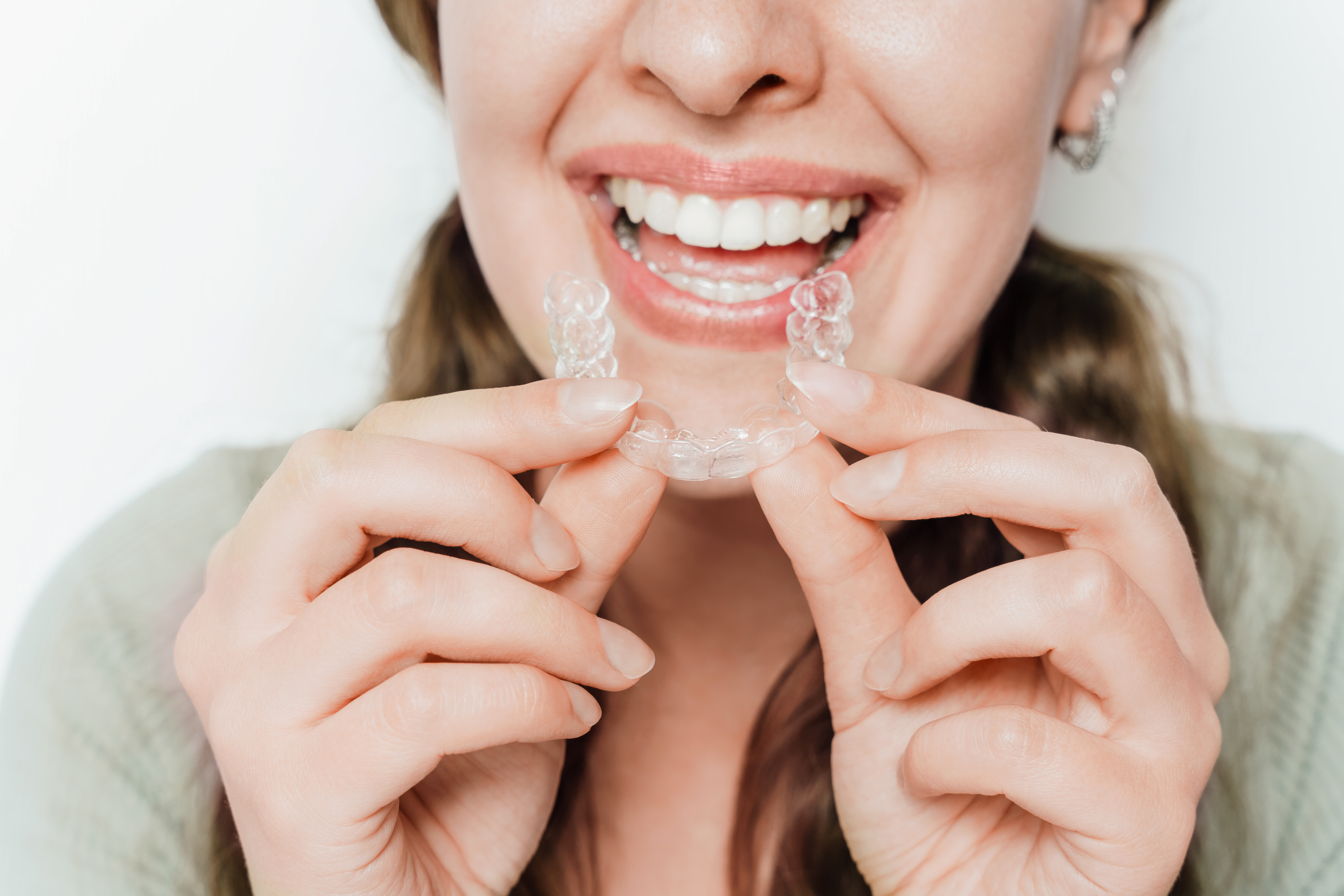
Veneers are thin restorations bonded to the front of teeth to correct color, minor alignment, and shape issues, using porcelain or composite materials to recreate natural translucency and strength. Porcelain veneers typically offer superior stain resistance and longevity compared with composite, though both require careful case selection and maintenance to ensure durability. A smile makeover blends multidisciplinary techniques—orthodontics, whitening, veneers, and restorative work—so the result is a harmonious, functional smile aligned with facial proportions and bite mechanics. Patients considering veneers should evaluate maintenance needs, realistic longevity expectations, and the potential for conservative or more extensive preparation based on desired outcomes.
A well-executed smile makeover addresses both aesthetics and function, and discussing multidisciplinary planning with a clinician helps patients choose the sequence of treatments that optimizes results and reduces retreatment risk. With clear goals established, families and individuals can decide whether conservative whitening or comprehensive re-design is the right path.
For personalized cosmetic plans and to review before-and-after examples, Staten Island Dental Boutique offers tailored cosmetic dentistry consultations that cover teeth whitening, veneers, and coordinated smile-makeover planning; patients are encouraged to schedule a consultation to discuss goals, timelines, and personalized treatment plans.
Who Is the Best Family Dentist in Staten Island for Your Oral Health?
Choosing a family dentist depends on clinical credentials, pediatric experience, preventive focus, and the ability to coordinate care across ages while prioritizing patient comfort and modern technology. A strong family dentist provides routine cleanings and exams, preventive sealants and fluoride treatments, pediatric behavior management, and age-appropriate education to support lifelong oral health. Accessibility factors—such as scheduling flexibility, emergency coverage, and available patient resources—affect continuity of care and how quickly families can address urgent problems. Evaluating testimonials, treatment transparency, and how the practice communicates preventive strategies helps families identify a provider who aligns with their care expectations.
When comparing providers, consider how technology and personalized treatment planning enhance pediatric experiences and adult preventive outcomes. Assessing these practical elements leads naturally into the specifics of pediatric services and recommended recall frequencies for family members.
Families should use the following checklist to evaluate potential family dentists:
- Credentials and pediatric experience: Confirm the dentist provides age-appropriate care and behavior guidance for children.
- Preventive and restorative services: Ensure routine cleanings, sealants, and basic restorative care are available in-office.
- Patient comfort measures and communication: Look for practices that explain procedures clearly and use modern, gentle techniques.
- This checklist clarifies selection priorities and transitions into common pediatric services that support healthy dental development.
What Pediatric Dental Care Services Are Offered for Children?
Pediatric dental care focuses on age-appropriate prevention, early disease detection, and behavior management to create positive long-term dental habits for children. Typical pediatric services include infant oral exams, routine cleanings, fluoride varnish, dental sealants to prevent occlusal decay, and atraumatic restorative techniques when needed to preserve tooth structure. Clinicians also provide anticipatory guidance on nutrition, oral hygiene, and pacifier or thumb-sucking management to reduce future orthodontic needs and decay risk. Preparing a child for the first visit with calm explanations and a caregiver-present approach reduces anxiety and improves cooperation for future dental care.
Age-based recommendations guide visit frequency and preventive measures, and integrating these pediatric practices with adult family care supports consistent oral health across generations. Understanding scheduling expectations leads into how often families should plan cleanings and exams.
How Often Should You Schedule Cleanings and Exams for Your Family?
Regular cleanings and exams typically occur every six months for most patients because this interval balances plaque control, early disease detection, and practical scheduling for families. However, risk-based modifiers—such as a history of periodontal disease, uncontrolled diabetes, smoking, or active orthodontic treatment—may necessitate more frequent visits (every 3–4 months) to control inflammation and prevent progression. For children, recall intervals may adapt to caries risk, with high-risk children seen more frequently for preventive applications like fluoride and sealants. Scheduling consistent visits reinforces preventive habits, reduces the need for extensive restorations, and allows timely intervention when new issues arise.
This risk-adjusted scheduling model supports individualized care plans and prepares families to discuss recall frequency and preventive strategies during routine consults. Knowing how implant-based restorations differ from bridges or dentures is the next important restorative topic for adults considering tooth replacement.
How Do Dental Implants in Staten Island Restore Your Smile?
Dental implants are titanium fixtures placed in the jawbone that act as artificial tooth roots to support crowns, bridges, or overdentures, restoring chewing function and preventing bone loss. The implant workflow includes diagnostic planning with imaging and digital impressions, surgical placement of the implant fixture, a healing phase for osseointegration, and final prosthetic restoration of the implant with an abutment and crown. Compared with conventional bridges or removable dentures, implants preserve neighboring tooth structure, improve stability, and offer a long-term solution when bone and oral conditions are favorable. Patients should understand success rates, typical timelines, and maintenance requirements when evaluating implants versus alternative restorative pathways.
An implant-focused treatment plan assesses bone quality, soft tissue health, and occlusal forces to determine if implant therapy is appropriate or if preparatory procedures (like bone grafting) are needed. The table below clarifies implant components, their purposes, and typical timelines to set realistic recovery expectations.
This breakdown helps patients visualize the staged nature of implant therapy and what to expect at each phase. With that procedural overview, the stepwise surgical and restorative process becomes clearer.
What Is the Dental Implant Procedure and Recovery Process?
The implant procedure begins with comprehensive planning—clinical exam, imaging (often CBCT for 3D evaluation), and digital impressions—to determine ideal implant size and position relative to adjacent structures. Surgical placement involves local anesthesia and precise insertion of the fixture into bone, followed by a healing period during which the implant integrates with bone (osseointegration). After adequate healing, the abutment and custom crown are attached to restore function and esthetics; post-operative care includes short-term pain control, oral hygiene, and soft-food recommendations while tissues heal. Follow-up visits assess integration, occlusion, and restoration fit, and long-term maintenance includes regular professional cleanings and patient resources to preserve implant health.
Clear expectations about timelines and aftercare reduce anxiety and improve outcomes; patients who follow post-op instructions typically experience predictable recovery and durable function. Understanding cost factors and financing options is the next practical step for many considering implants.
How Affordable Are Dental Implants in Staten Island?
Implant affordability depends on multiple factors including the number of implants needed, the need for adjunctive procedures (bone grafts, sinus lifts), material choices for crowns, and laboratory fees for custom prosthetics. While implants often have a higher upfront cost than bridges or removable options, they can be more cost-effective over time due to longevity and reduced need for retreatment of adjacent teeth. Insurance coverage varies and many patients use third-party financing or in-house payment plans to spread investment over time; discussing financing options during the treatment-planning visit helps align choices with budget constraints. Patients should request an itemized treatment estimate that separates diagnostics, surgery, and restoration components to make informed comparisons.
This table helps patients anticipate which cost elements drive implant pricing and frame questions to ask during consultation.
When Should You Seek Emergency Dental Care in Staten Island?
Emergency dental care addresses acute conditions that risk permanent tooth or health loss, such as uncontrolled bleeding, severe pain, swelling indicating infection, or traumatic tooth avulsion; prompt professional care reduces complications.
Immediate triage focuses on stabilizing the patient, controlling infection or bleeding, and relieving pain while planning definitive treatment. For non-life-threatening dental emergencies, an emergency dental visit is often preferable to an emergency room for tooth-specific management, whereas signs of systemic infection (fever, spreading swelling, difficulty breathing) warrant urgent medical evaluation. The checklist below provides clear symptoms and immediate steps patients can take before reaching a dentist.
- Severe, unrelenting tooth pain with swelling
- Knocked-out (avulsed) tooth or tooth fractured with root exposure
- Excessive bleeding after an extraction or trauma
- Signs of spreading infection (facial swelling, fever, difficulty swallowing)
These indicators guide whether to pursue same-day dental care or emergency medical attention and prepare patients for what to do while arranging definitive treatment.
What Types of Dental Emergencies Are Treated Promptly?
Common dental emergencies treated promptly include avulsed teeth (which may be re-implanted if handled quickly), severe dental pain from acute pulpitis, rapidly spreading infections that cause facial swelling, and traumatic fractures exposing nerve tissue. For an avulsed tooth, immediate preservation in saline or milk and quick transport to a dental provider increase the chance of successful re-implantation; severe pain often requires diagnosis and root-canal therapy or extraction depending on prognosis. Rapidly spreading infections necessitate urgent evaluation because they can compromise airway or systemic health; dentists provide antibiotics, incision and drainage when indicated, and definitive source control. Short-term management before professional care—such as cold packs for trauma, over-the-counter analgesics within dosing guidelines, and careful rinsing—can reduce symptoms but does not replace clinical treatment.
Understanding these emergency categories helps patients prioritize actions and anticipate likely interventions during urgent visits. Knowing how to contact and what information to prepare for emergency care accelerates access and improves outcomes.
How to Access Emergency Dental Services Quickly in Staten Island?
When seeking urgent dental care, gather key information—current symptoms, recent dental history, medical conditions, and medications—to provide clear context for triage and treatment planning. Call the dental office or emergency line and describe symptoms concisely (e.g., “severe facial swelling and fever” or “knocked-out front tooth”), request same-day evaluation, and follow any on-call instructions; if you cannot reach a dental provider and symptoms suggest systemic infection or airway compromise, proceed to the nearest emergency department. Bring a list of medications, any dental insurance information, and a sample of any dislodged tooth or restoration in a clean container if possible. Realistic time expectations vary by practice and time of day, but being prepared with clear information expedites triage and care.
With clear triage steps and appropriate preparation, patients can minimize delays and get timely, tooth-specific emergency treatment when it matters most.
What Patient Resources Support Your Comprehensive Dental Care Journey?
Effective patient resources reduce financial and logistical barriers to comprehensive care by offering financing options, clear scheduling pathways, educational aftercare materials, and accessible patient forms for efficient intake. Transparent information about payment plans, third-party financing, and typical insurance workflows helps patients plan treatment without surprises, while pre-visit forms and educational guides streamline consultations and set realistic expectations for outcomes.
The table below summarizes common patient resources, what they help with, and how patients typically access them to reduce friction during treatment planning.
These resources make it easier to move from consultation to treatment and encourage adherence to recommended care. For patients ready to explore options, discussing financing and scheduling during a consultation clarifies next steps and reduces unexpected barriers.
How Can Financing Options Make Dental Treatments Affordable?
Financing makes dental care more accessible by converting larger treatment costs into manageable monthly payments through in-house plans or third-party lenders that specialize in healthcare financing. Common pathways include installment plans with predictable monthly payments or third-party credit options with promotional rates; eligibility depends on credit and program terms, so discussing options during the consultation allows the clinician to match financing to treatment timelines. Financing reduces upfront barriers to necessary restorative work like implants or comprehensive cosmetic plans, enabling patients to prioritize long-term oral health rather than delay treatment. Patients should request written estimates and financing illustrations to compare out-of-pocket commitments and repayment schedules.
To discuss practical financing choices for treatment plans and to schedule a consultation, Staten Island Dental Boutique provides guidance on payment options and helps patients align clinical goals with affordable timelines—interested patients are encouraged to request a consultation to review personalized financing pathways.
What Are Common FAQs About Dental Services in Staten Island?
Patients frequently ask about treatment timelines, pain management, insurance coverage, and what to expect at a first visit; concise, direct answers help set expectations and reduce anxiety before appointments. Typical responses include: scheduling a comprehensive exam before elective cosmetic work, anticipating short-term sensitivity after whitening, and understanding that implant timelines vary based on healing and adjunctive procedures. Insurance often covers preventive services and portions of restorative care, while cosmetic procedures may be elective and require out-of-pocket payment or financing. For individualized answers, scheduling a consultation allows clinicians to assess oral health, review imaging, and provide a tailored plan and transparent cost estimate.
- Scheduling: Book a comprehensive exam first to create an individualized treatment plan.
- Costs: Request an itemized estimate to understand diagnostics, procedures, and restorative fees.
- Emergency access: Describe symptoms clearly when calling for urgent triage to expedite care.
These steps prepare patients for a smooth care journey and encourage proactive engagement with recommended dental services.
Related Articles
.jpg)
