
Transform Your Smile with Dental Implants
November 26, 2025
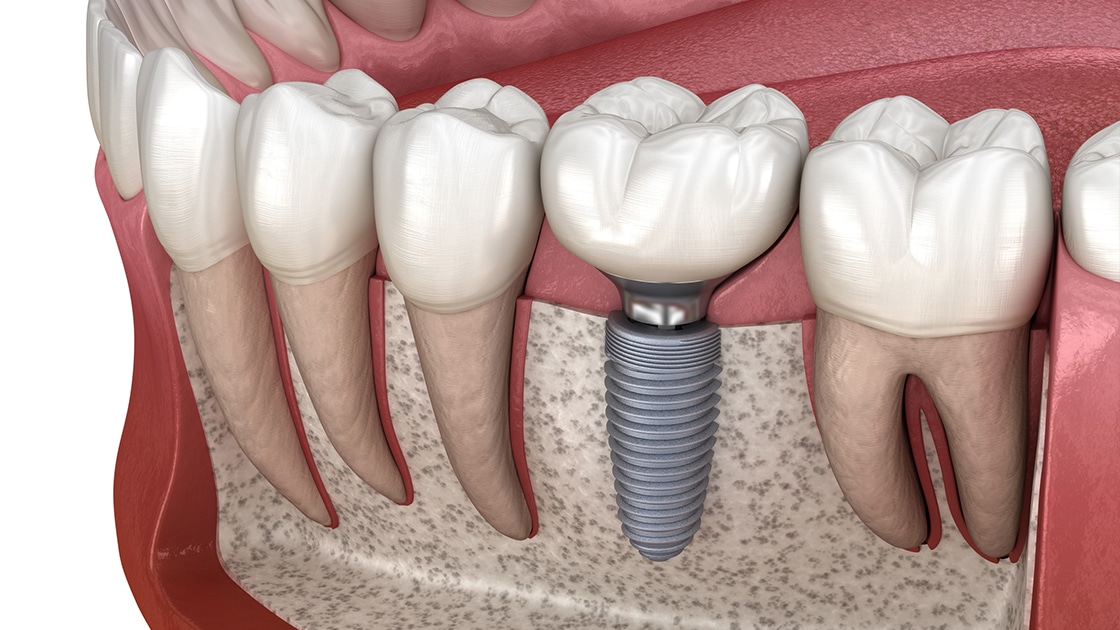
Dental implants are a long-lasting, biologically sound way to replace missing teeth — they restore chewing, help preserve jawbone, and recreate a natural-looking smile for people on Staten Island. This guide walks through what implants are, how osseointegration creates a stable foundation, the typical step‑by‑step process used in modern digital workflows, and realistic cost expectations for local patients. If you’re worried about bone loss, fit, or long‑term care, implants act like artificial roots that fuse with bone and support custom prosthetics to solve those problems. Below you’ll find clear comparisons of single‑tooth, multiple‑tooth, and full‑arch options (including All‑on‑4 and mini‑implants), local cost ranges and financing choices, who’s a good candidate, what recovery looks like, and practical answers to common questions. By the end, you’ll know the clinical reasoning behind implants, how digital imaging and guided planning improve results, and where to go on Staten Island for a consultation when you’re ready to move forward.
What Are Dental Implants and How Do They Work in Staten Island?
Dental implants are small engineered posts — typically titanium or zirconia — placed into the jaw to replace missing tooth roots and support crowns, bridges, or dentures. Their long‑term reliability comes from osseointegration, the natural process where bone bonds to the implant surface to form a stable, load‑bearing connection. Locally, many Staten Island practices use advanced diagnostics like CBCT 3D imaging and CAD/CAM planning to map anatomy precisely; that planning improves prosthetic fit, increases surgical accuracy, and reduces surprises after surgery. Knowing the implant parts and the biology behind them helps explain why implants outperform removable options for chewing efficiency and preserving bone.
Osseointegration: The Biological Basis of Successful Dental ImplantsOsseointegration is the biological foundation that makes modern implant therapy predictable. Successful outcomes depend on careful, principle‑driven clinical technique. Researchers have described how bone healing and remodeling progress around implant surfaces, from early cellular events to long‑term bone formation. New bone forms at titanium implant surfaces through recruitment, proliferation, and differentiation of osteoprogenitor cells under complex biological control.Osseointegration—the biological reality of successful dental implant therapy: a narrative review, LF Cooper, 2022
What Components Make Up a Dental Implant?
A finished implant restoration typically includes three parts: the implant fixture (the post), an abutment, and the visible prosthetic — a crown, bridge, or denture. The fixture is the surgically placed post (usually titanium or zirconia) that replaces the root, the abutment joins the fixture to the restoration, and the crown or bridge restores tooth form and function. Material choices affect durability and appearance: titanium is well established for biocompatibility, while zirconia is an attractive metal‑free option. Choosing the right components and designing the prosthetic precisely helps ensure proper bite, minimize wear, and support long‑term oral health by distributing loads predictably.
How Does Osseointegration Support Long-Term Implant Success?
Osseointegration is the process where living bone grows onto the implant surface, creating a rigid union that safely bears chewing forces. This bonding unfolds over weeks to months: initial stability at placement is followed by bone remodeling that locks the implant in place. Factors that promote osseointegration include good bone quality and volume, gentle surgical technique, and accurate digital planning that places implants along favorable load paths.
When osseointegration succeeds, implants provide a stable base for , restore function, and help prevent the progressive bone loss seen with removable dentures.
What Are the Key Benefits of Dental Implants in Staten Island?
Dental implants address both the functional and cosmetic challenges of missing teeth. They preserve the jawbone by transmitting chewing forces back into the ridge, restore reliable chewing and clear speech with stable restorations, and deliver custom, natural‑looking results that blend with your smile. Longevity is a major advantage: implant‑supported restorations generally protect adjacent teeth from unnecessary preparation and typically need replacement far less often than traditional bridges or dentures.
For many Staten Island patients, the combined functional, structural, and aesthetic benefits make implants the preferred long‑term choice for missing teeth.
Key benefits for patients seeking durable tooth replacement on Staten Island include:
Preserve jawbone — implants prevent resorption by restoring mechanical load to the ridge.
Restore natural function — implants support chewing and speech that feel like natural teeth.
Improve appearance — custom crowns recreate natural shape, shade, and texture.
Protect neighboring teeth — implants avoid cutting down adjacent teeth for bridge support.
Those benefits translate into everyday improvements — easier eating, clearer speech, and more confidence when you smile — and they can reduce longer‑term restorative needs by protecting the surrounding mouth.
Dental Implant Procedure at Staten Island Dental Boutique?
At a digitally enabled practice the implant journey follows a clear sequence: an initial consultation and diagnostics, surgical placement, a healing period for osseointegration, and final prosthetic restoration. Tools like CBCT imaging and CAD/CAM planning guide implant selection and angulation, and guided surgery can translate the virtual plan into precise placement. Preparing patients with education and pre‑op optimization — diet, oral hygiene, and medical review — supports reliable healing, and follow‑ups monitor integration and prosthetic fit. Knowing each stage helps set realistic expectations for time and outcomes.
Consultation and imaging — diagnosis, CBCT scans, treatment planning, and discussion of options.
Surgical placement — implant fixture inserted under local anesthesia or sedation as needed.
Healing and osseointegration — a monitored phase lasting several weeks to months until stable.
Restoration — abutment connection and placement of the final crown, bridge, or denture with occlusal adjustments.
This staged approach gives a clear roadmap from decision to finished and lets clinicians adapt timing for immediate loading or delayed protocols based on bone quality and prosthetic needs.
What Are the Step-by-Step Stages of Dental Implant Surgery?
The process starts with a thorough consultation that includes an intraoral exam and CBCT imaging to map bone anatomy and nearby structures. A surgical appointment then places the implant in the planned position, often with a guided template to improve accuracy and reduce tissue trauma. After placement, a healing period supports osseointegration while soft tissues mature.
The final restorative phase includes abutment connection and fabrication of the definitive prosthetic using CAD/CAM workflows to optimize fit and esthetics. Each stage includes clinical checks and adjustments so the finished restoration meets both function and appearance goals.
How Long Is the Recovery and What Aftercare Is Needed?
Initial recovery after implant placement usually brings mild swelling and discomfort for 48–72 hours, controllable with prescribed pain relief and cold compresses. The broader osseointegration phase can last several months depending on the site and bone quality.
During early healing, patients follow a soft diet, practice gentle oral hygiene around the surgical area, and return for follow‑ups for stitch removal and healing checks. Long‑term care focuses on routine hygiene, periodic professional cleanings, and checks of prosthetic fit to keep implants healthy. Report any unusual pain, persistent swelling, or movement promptly so complications can be addressed early.
How Much Do Dental Implants Cost in Staten Island and What Financing Options Are Available?
Implant cost varies with case complexity: the number of implants, whether bone grafting or a sinus lift is needed, prosthetic design, and material choices all affect price. A single‑tooth implant with a standard crown costs differently than multiple implants for partial arches or a full‑arch All‑on‑4 solution. Diagnostic imaging, surgical complexity, and lab fees are common cost drivers; a transparent consultation will produce a personalized estimate. Staten Island patients can expect a range of treatment and financing options, including that help patients without insurance.
Many practices offer payment options to improve access. Staten Island Dental Boutique offers a for patients without insurance, which includes discounts and preventive care to help lower restorative costs. Clinics also commonly work with third‑party financing to spread payments over time. Always check your insurance benefits and ask for a written estimate so you can compare options before deciding. Open conversations about finances during the consultation help align clinical goals with your budget.
Patient Barriers to Dental Implant Acceptance: The Role of CostFrom the patient perspective, cost is one of the largest barriers to choosing dental implants. Studies show that both the general public and patients perceive cost as a major limiting factor for implant treatment.Barriers Related to Dental Implant Treatment Acceptance by Patients., L Levin, 2022
What Factors Influence the Cost of Dental Implants in Staten Island?
Several variables determine the final price: how many implants you need, whether grafting or sinus work is required, the implant and abutment materials chosen, prosthetic complexity, and lab fees. Advanced diagnostics like CBCT and digital planning add precision but also contribute to fees; guided surgery can reduce chair time and complications, which some patients find cost‑effective over the long run. Local market conditions and clinician experience also affect pricing. The best first step is a diagnostic visit that outlines the required steps and provides an itemized estimate so you can prioritize function and aesthetics within a realistic budget.
What Payment Plans and Insurance Coverage Can Patients Use?
Most dental insurance plans provide limited implant coverage; benefits often apply to portions of the restorative work rather than the full implant fee. Staten Island Dental Boutique’s Membership Plan offers an alternative for uninsured patients by providing preventive care discounts and reduced‑fee options that can lower overall implant costs. In addition to membership programs, many practices arrange third‑party financing with predictable monthly payments. Discuss payment options during your consultation so you can choose a plan that fits your treatment needs and cash flow.
Which Types of Dental Implants Are Available in Staten Island?
Providers on Staten Island offer a range of implant options to match clinical needs: single‑tooth implants, multiple implants for partial restorations, full‑arch solutions like All‑on‑4, and mini‑implants for denture stabilization. Each approach has trade‑offs in invasiveness, cost, timeline, and candidacy. Material choices (titanium vs. zirconia) and prosthetic styles (fixed vs. removable overdentures) further shape decisions. Comparing options with your clinician helps choose the most predictable, durable, and affordable path for your long‑term oral health.
What Are the Differences Between Single, Multiple, and Full-Arch Implants?
Single implants replace one tooth without altering neighbors, preserving natural structure and offering predictable longevity when bone is adequate. Multiple implants restore sections of the mouth and support bridges or fixed partials, improving function but increasing cost. Full‑arch approaches like All‑on‑4 use strategically placed implants to support an entire arch with fewer fixtures and can often provide immediate provisional teeth. Choosing the right option depends on your bone volume, goals, and budget — your clinician will help weigh those factors and recommend the best restorative plan.
What Are All-on-4 and Mini-Implants and Who Are They For?
All‑on‑4 is a full‑arch approach that uses four strategically angled implants to support a fixed prosthesis, often allowing immediate function and reducing the need for extensive grafting; it’s a good choice for patients seeking a stable, non‑removable solution. Mini‑implants are narrower fixtures used mainly to stabilize removable dentures or where a less invasive option is preferred; they cost less and recover faster but have lower load capacity for heavy chewing. Clinicians recommend All‑on‑4 for comprehensive rehabilitation and mini‑implants for denture retention or select low‑bone situations — candidacy is determined with imaging and clinical assessment.
All-on-4 Concept: Maximizing Bone Utilization for Dental ImplantsThe All‑on‑4 technique takes advantage of the available anterior bone, where quality and quantity are often better. Implants are angled to avoid structures like the sinus and the inferior alveolar nerve and to utilize longer implants anchored in anterior bone, which can reduce the need for grafting.Contemporary “All-on-4” concept, 2015
Who Is a Good Candidate for Dental Implants in Staten Island?
Good candidates are generally in reasonable overall health, have adequate bone volume (or are willing to consider grafting), and commit to good oral hygiene and regular dental care. Certain conditions and lifestyle factors — uncontrolled diabetes, smoking, or recent head and neck radiation — can affect success and may require medical optimization or referral. Dental evaluation focuses on bone quality, periodontal health, and bite relationships to build a tailored plan; staged approaches like bone grafting or alternative implant types can expand candidacy for many patients. Sharing your medical history and goals during a consult allows clinicians to recommend an evidence‑based path to restoration.
What Health Conditions Affect Dental Implant Candidacy?
Factors that influence implant success include uncontrolled systemic disease (for example poorly managed diabetes), tobacco use, prior jaw radiation, and medications that affect bone metabolism. Bone quantity and quality are critical; inadequate bone can often be addressed with grafting or alternate protocols but adds complexity. Certain drugs (high‑risk antiresorptives, for instance) require close medical‑dental coordination. With proper management and collaborative planning, many patients with comorbidities can still proceed safely with implants after optimization.
How Does Staten Island Dental Boutique Evaluate and Prepare Patients?
We start with a detailed consultation that includes a clinical exam, CBCT imaging, and digital treatment planning to map anatomy and prosthetic needs before surgery. Pre‑op optimization addresses overall health, oral hygiene, and patient education so expectations and timelines are clear. Digital workflows — CBCT, guided surgery, and CAD/CAM prosthetics — help reduce chair time and improve predictability, and the Membership Plan can make preventive and preparatory care more accessible for those without insurance. This structured approach improves outcomes and aligns treatment with each patient’s priorities.
What Are Common Patient Questions About Dental Implants in Staten Island?
Prospective patients often ask about pain management, success rates, and how implants compare with dentures and bridges for longevity and maintenance. Short, honest answers set expectations: modern anesthesia and sedation keep surgery comfortable, postoperative discomfort is usually managed with routine medications, and well‑planned implants have high success rates. Maintenance typically involves regular hygiene and periodic professional checks. Comparing implants to removable options highlights implants’ durability and oral‑health benefits, but clear conversations about timeline, cost, and aftercare are essential to make informed choices and reduce anxiety.
Patients commonly want concise answers about:
Whether the procedure is painful and how pain is controlled
Realistic success rates and longevity expectations
How implants compare to dentures and bridges in daily life
Addressing these topics helps patients move confidently from consultation to treatment planning because clear information reduces uncertainty and supports realistic expectations.
Are Dental Implants Painful and What Is the Success Rate?
Most people feel little to no pain during implant placement because of local anesthesia and optional sedation; postoperative soreness usually eases within a few days with standard pain control. Aftercare focuses on reducing inflammation and preventing infection, and clinicians tailor analgesia and recovery instructions to each case. Modern implants placed in well‑evaluated patients have high success rates; outcomes depend on bone quality, oral hygiene, overall health, and adherence to follow‑up care, so individualized assessment optimizes predictability.
How Long Do Dental Implants Last Compared to Dentures and Bridges?
When properly maintained, dental implants can last for decades and are often considered a long‑term or permanent solution, while bridges and removable dentures generally have shorter lifespans and require more frequent replacement or adjustment. Implants help preserve jawbone and distribute biting forces in ways that protect neighboring teeth and facial structure, which can reduce cumulative restorative needs over time.
Bridges may need replacement every 7–15 years depending on wear and decay risk to supporting teeth; dentures often require relines or replacement as the ridge changes. Routine hygiene, professional care, and appropriate prosthetic maintenance are key to maximizing implant life.
Why Choose Staten Island Dental Boutique for Your Dental Implants?
Staten Island Dental Boutique is a local practice that combines restorative expertise with a patient‑first approach to guide implant journeys from consult to final restoration. The practice emphasizes a luxuriously comfortable environment and comprehensive care — from prevention to advanced restorative treatments — to reduce anxiety and support follow‑through.
A focus on digital dentistry (state‑of‑the‑art imaging and CAD/CAM workflows) supports predictable outcomes, and clear patient education helps you understand recommended steps. For uninsured patients, the makes preventive care and restorative work more accessible; Implant Restoration is a highlighted service to emphasize continuity and quality of care.
When choosing a provider, consider clinician continuity, digital planning capabilities, and available financing — these factors together influence predictability, comfort, and final results. Staten Island Dental Boutique’s commitment to digital workflows and patient education aligns with those priorities and supports collaborative treatment planning that balances aesthetics and function.
How Does Dr. Olena Ronan's Expertise Enhance Implant Outcomes?
Dr. Olena Ronan leads treatment planning and care at Staten Island Dental Boutique, providing consistent oversight through diagnostic, surgical, and restorative phases. Having the same clinician involved from the first consult through final prosthetic delivery improves continuity, reduces miscommunication, and enhances predictability. This clinician‑led approach also supports personalized decisions about implant type, timing, and prosthetic design based on each patient’s anatomy and goals, reassuring patients that their case is managed comprehensively rather than fragmented across multiple providers. For more information, visit .
What Digital Dentistry Technologies Improve Implant Precision and Comfort?
Modern implant care uses CBCT 3D imaging for three‑dimensional bone assessment, CAD/CAM systems to design custom prosthetics with accurate fit and occlusion, and guided surgical templates that translate virtual plans to the surgical field. These tools reduce guesswork, shorten appointments, and can minimize tissue trauma with less invasive approaches — improving comfort and speeding recovery. Digital planning also strengthens communication with dental labs so prosthetics better match esthetic and functional goals. Together, these technologies create a workflow that enhances precision, predictability, and the overall patient experience.
Where Can You See Before-and-After Results and Patient Testimonials for Staten Island Dental Implants?
Before‑and‑after photos and video testimonials let prospective patients see real outcomes, understand esthetic and functional changes, and set realistic expectations. Case studies typically summarize the starting condition, the chosen implant strategy, and final results such as restored chewing and improved smile aesthetics.
Patients also review provider profiles and ratings to confirm care elements like comfort, communication, and results before booking a consult. Seeing visual evidence and hearing about others’ experiences makes it easier to decide whether implants match your goals.
A single‑tooth case restoring chewing comfort and appearance after localized tooth loss.
A partial‑arch rehabilitation replacing adjacent missing teeth with implant‑supported bridges for improved function.
A full‑arch transformation converting unstable dentures to fixed implant‑supported prostheses, restoring confidence and diet.
What Success Stories Highlight Implant Transformations?
Success stories focus on the initial problem (for example a failing tooth or unstable denture), the chosen implant solution (single tooth, multiple implants, or a full‑arch approach), and measurable outcomes like restored chewing, improved esthetics, and patient satisfaction. Visual comparisons and brief outcome metrics — such as regained bite function and prosthetic stability — show how implants improve daily life. When planning accounts for bone and bite factors, patients routinely achieve predictable rehabilitations with lasting benefits. These patient narratives help you picture both the process and the result.
How Do Patients Rate Their Experience at Staten Island Dental Boutique?
Patient feedback frequently highlights comfort, clear communication, and the use of modern technology as strengths of the practice — reflecting its focus on education and a luxurious, comfortable environment. Reviews often mention reduced anxiety during treatment, transparency about timelines and costs, and satisfaction with final esthetic results.
If you want more detail, schedule a consultation to review the gallery and discuss cases similar to yours. That transparency helps align clinical plans with patient expectations and supports informed decisions.
If you’re ready to take the next step, schedule a consultation at Staten Island Dental Boutique to review your imaging and explore implant restoration options. The practice is located at 1735 Richmond Ave, Staten Island, NY 10314 — where clinicians will evaluate your case, explain the Membership Plan for uninsured patients, and outline realistic timelines and cost estimates tailored to your needs. A consultation is the best way to get an accurate assessment and the next steps toward a durable, natural‑feeling restoration.
Frequently Asked Questions
What is the lifespan of dental implants compared to other tooth replacement options?
With proper care, dental implants are a long‑term solution and often last decades — commonly 10 to 30 years or more. By contrast, traditional dentures and bridges usually need replacement every 5 to 15 years because of wear and changes in the mouth. Because implants help preserve jawbone and facial structure, they contribute to longer‑lasting results. Regular home care and professional checkups are essential to maximize implant lifespan.
What are the potential risks or complications associated with dental implants?
Implants are generally safe, but potential complications include infection at the site, nerve irritation, and sinus problems for upper jaw placements. Other issues can arise from incorrect placement or insufficient bone, which may lead to failure. Careful pre‑operative assessment, skilled surgical technique, and adherence to post‑op instructions minimize these risks. Discuss any medical concerns with your dentist so they can plan appropriately and reduce the chance of complications.
How do I maintain my dental implants for long-term success?
Caring for implants is similar to caring for natural teeth: brush twice daily, clean between teeth with floss or interdental tools, and use an antibacterial mouthwash as recommended. Regular dental exams and professional cleanings let the team monitor soft tissues and prosthetic fit. Avoiding tobacco and managing health conditions like diabetes also improves long‑term success. Following your clinician’s maintenance plan is the best way to protect your investment.
Can anyone receive dental implants, or are there specific requirements?
Most adults are candidates, but suitability depends on bone density, overall oral health, and medical history. Ideal candidates have enough bone (or are willing to undergo grafting), good oral hygiene habits, and no uncontrolled systemic conditions that impair healing. Smoking and certain medications may complicate treatment. A thorough evaluation by a dental professional determines eligibility and discusses preparatory options, such as bone grafting, when needed.
What should I expect during the dental implant recovery process?
Expect mild swelling and soreness for a few days after surgery, manageable with prescribed pain medication and simple home care. Osseointegration — the bone‑healing phase — can take several weeks to months. During healing, follow a soft diet, keep the surgical area clean with gentle hygiene, and return for scheduled follow‑ups. Your clinician will monitor integration and advise when it’s safe to place the final restoration.
Are there alternatives to dental implants for tooth replacement?
Yes. Alternatives include traditional dentures and dental bridges. Dentures are removable and may need periodic adjustments as the jaw changes. Bridges attach to neighboring teeth and can affect those teeth over time. While both can be effective, they don’t offer the same stability or bone preservation as implants, which is why implants are often preferred for long‑term solutions.
How do I choose the right dental implant provider in Staten Island?
Look for a provider with experience and credentials in , strong patient reviews, and a practice that emphasizes digital planning and comprehensive care. Schedule a consultation to review your needs, treatment options, and financial choices. A team that prioritizes patient education, clear communication, and comfort will make your implant journey smoother and more predictable.
Conclusion
Dental implants offer a reliable, long‑lasting solution for tooth loss — preserving jawbone, restoring chewing function, and delivering natural aesthetics. If you’re considering implants, schedule a consultation to review your options and get a personalized plan. Discover how dental implants at can restore function and confidence in your smile.
Related Articles
.jpg)
