
Straighten Your Teeth with Invisalign in Staten Island: Cost, Benefits, and Treatment Process
December 3, 2025
Invisalign and other clear aligner systems offer a discreet, removable way to straighten teeth without the visible hardware of traditional braces, making them a popular choice for adults and teens seeking cosmetic orthodontic improvements. This article explains how clear aligners work, the benefits they deliver, typical costs in Staten Island, and what to expect from a clinic-led treatment plan.
Many people hesitate because they’re unsure about effectiveness, timeline, or out-of-pocket cost; this guide clarifies those points and gives practical next steps. You will learn what Invisalign is, how SmartTrack material affects comfort and predictability, a transparent breakdown of local pricing factors, and financing or discount options available in Staten Island. The piece also walks through the treatment process at a local practice, candidacy criteria to determine if aligners are appropriate, and where to view before-and-after evidence.
Throughout, keywords like invisalign staten island, clear aligners, and invisalign payment plans near me are used naturally to help residents find relevant, actionable information.
What Is Invisalign and How Do Clear Aligners Work for Teeth Straightening?
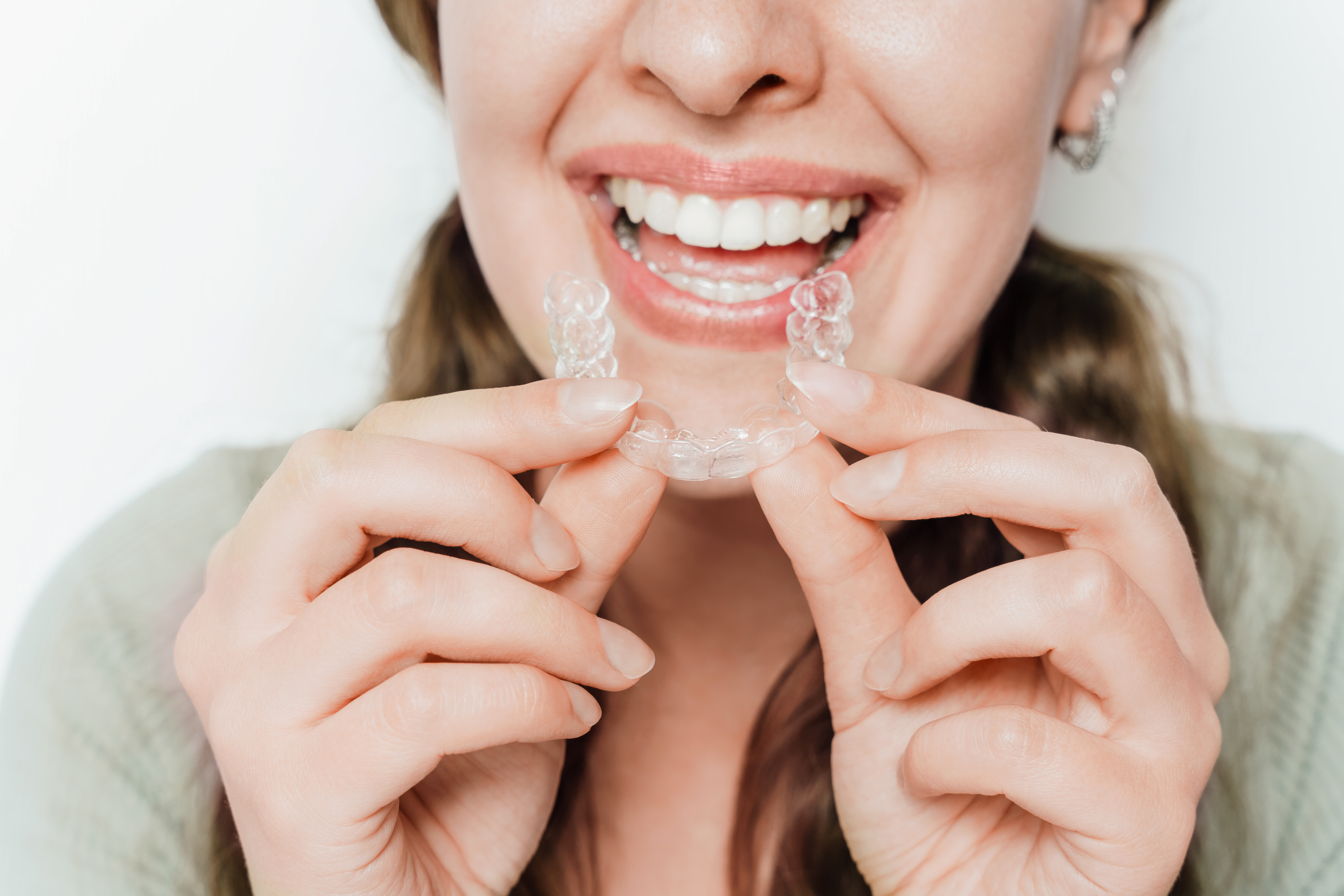
Invisalign is a form of clear aligner orthodontic treatment that straightens teeth by applying controlled, staged forces through a series of custom-made plastic trays, moving teeth gradually into planned positions. Treatment begins with a digital treatment plan that maps each tooth movement, and each new aligner set shifts teeth a small increment so the process is predictable and documented.
The result is improved alignment and bite with fewer visible appliances and easier oral hygiene compared with fixed braces. Understanding this mechanism—digital planning, staged force application, and regular monitoring—helps patients anticipate timelines and compliance demands before committing to treatment.
What differentiates clear aligners from other orthodontic appliances is their combination of removable convenience and digitally guided biomechanics, which together reduce soft-tissue irritation and simplify daily life. The next subsections compare aligners to traditional braces and explain the material technology that supports comfort and control.
What Makes Invisalign Different from Traditional Braces?
Invisalign differs from traditional braces primarily in visibility, removability, and the way forces are applied to teeth, offering a less conspicuous and more flexible experience for patients. Aligners are clear and low-profile, which preserves appearance during social and professional interactions, while fixed brackets and wires remain visible and can cause more soft-tissue irritation.
Because aligners are removable, patients can maintain normal eating habits and perform thorough oral hygiene routines, reducing risks of staining and decalcification that can accompany fixed appliances. Treatment planning for aligners relies on detailed digital workflows that simulate sequential tooth movements, whereas braces depend more on in-office wire adjustments to guide movement.
For many adults and image-conscious teens, the discreet aesthetic and hygiene advantages make aligners the preferred option; however, cases requiring extreme tooth rotation or complex skeletal corrections may still favor conventional braces, which we’ll explore later.
How Does Invisalign Use SmartTrack Material for Comfortable Treatment?
SmartTrack is a proprietary aligner material designed to provide consistent, gentle force over the wear period, improving fit and patient comfort compared with earlier rigid plastics used in aligner therapy. The material’s elasticity and memory help the tray maintain intimate contact with tooth surfaces, which improves force delivery and predictability while reducing the frequency of sore spots on gums and cheeks.
Because SmartTrack holds shape better between aligner changes, clinicians can plan more precise movements and rely on fewer mid-course refinements in many straightforward cases. For patients, that translates into fewer surprises and a smoother day-to-day experience; understanding SmartTrack’s role clarifies why some aligner brands achieve more consistent outcomes and comfort.
To connect materials and movement planning, the following table maps core technology components to how they work in practice and what patients experience.
This technology map explains how digital planning, materials, and adjuncts work together to produce reliable, comfortable tooth movement and clearer expectations for patients.
Biomechanics and Materials in Clear Aligner TherapyOver time clear aligners have been applied increasingly successfully to a more varied range of malocclusions, and it is important that the end user understands their mode of action and how they differ in force delivery from other types of appliances. This chapter aims at explaining how the materials are involved in producing the biomechanics witnessed with clear aligners and the latter’s interaction with attachments. The final part of the chapter also provides clinical tips at improving certain aspects of the finishing stages with aligners.Biomechanics with Aligner Treatment, S Abela, 2024
How Much Does Invisalign Cost in Staten Island and What Financing Options Are Available?
Pricing for Invisalign in Staten Island varies depending on case complexity, provider experience, and included services, with a typical local range reflecting simple cosmetic corrections up to more comprehensive bite and alignment work. Key cost components include the initial consultation and diagnostic scans, the number of aligner sets required, any auxiliary procedures (like attachments or interproximal reduction), mid-course refinements, and final retention appliances.
Insurance may cover part of orthodontic care for some plans, while out-of-pocket financing or membership discounts reduce upfront barriers. For residents evaluating options, comparing these components helps estimate a realistic budget before scheduling a consultation.
What affects how much you’ll pay? Several clear drivers determine the final estimate and help explain why quotes can vary widely between providers in the same area.
Case severity and treatment length determine the number of aligner sets required, which directly increases material and manufacturing costs.
Need for adjunctive procedures such as attachments, interproximal reduction, or auxiliary elastics adds clinical time and complexity to the plan.
Provider workflow—use of in-office 3D scanning and detailed digital planning—can raise fees but often improves predictability and reduces the likelihood of unplanned refinements.
These factors suggest that a full estimate requires an exam and scan; to help prospective patients in Staten Island, the local clinic offers financial assistance and savings at the point of consultation.
Which financing plans and special offers does Staten Island Dental Boutique provide? Below is a concise list summarizing clinic-specific options available to help reduce barriers to treatment.
Staten Island Dental Boutique offers free consultations for Invisalign, enabling patients to receive a full scan and treatment estimate without initial cost.
A promotional discount of $1,800 off Invisalign treatment is available as a time-limited special to reduce overall cost.
Flexible financing through Cherry is offered, with example monthly payments advertised as low as $268/month to spread out payments.
A membership plan for uninsured patients is available at $299/year, potentially reducing routine care costs and improving access to dental services.
These practice-specific options help convert a treatment estimate into an actionable plan, and they are designed to be discussed and confirmed during the free consultation.
What Is the Invisalign Treatment Process at Staten Island Dental Boutique?
The Invisalign treatment process follows a structured sequence: an initial consultation and assessment, a digital 3D scan, a clinician-driven treatment plan, fabrication of custom aligners, a prescribed wear schedule with regular check-ups, and a retention phase after active movement ends. Each step provides measurable milestones—the scan creates the digital model, the plan demonstrates expected movements and timeline, and aligner deliveries mark progress toward final alignment.
Predictability rises when digital planning and patient compliance are combined, which is why clinicians stress consistent wear and timely follow-up appointments. For patients, knowing this sequence reduces uncertainty and clarifies responsibilities during treatment.
What happens at the practice level combines the general workflow with patient-centered amenities and modern digital dentistry. Staten Island Dental Boutique incorporates state-of-the-art digital scanning and treatment planning to streamline impressions and tailor aligner sequences precisely, while emphasizing a comfortable, high-end patient experience led by Dr. Olena Ronan. The office environment and technology are designed to reduce chair time and increase clarity about treatment expectations, which encourages adherence and better outcomes.
To lay out expectations, here is a numbered treatment pathway that patients typically follow:
- Initial consultation and oral exam with discussion of aesthetic goals and candidacy.
- Digital intraoral scan and imaging to create a precise 3D treatment model.
- Custom treatment planning and approval of ClinCheck-style simulations with projected timeline.
- Delivery of the first aligner sets with instructions on wear time and care.
- Regular check-ins for progress assessment, with refinements as needed and transition to retainers after active treatment completes.
This stepwise guide clarifies what to expect at each phase and helps patients prepare questions for their clinician at the free consultation.
What Happens During the Initial Invisalign Consultation?
During the initial consultation clinicians evaluate oral health, alignment goals, and whether clear aligners suit the patient’s case, combining a visual exam with digital imaging to create a baseline record. The visit typically includes a 3D intraoral scan that replaces traditional impressions, discussion of desired outcomes, a clear explanation of alternatives, and an estimated timeline and cost projection. For prospective patients, the consultation is an opportunity to discuss lifestyle expectations, appliance preferences, and any financing or membership options that could apply. Knowing what the clinician assesses and what questions to ask helps patients leave the visit with a realistic plan and next steps.
The consultation also serves as the point to confirm eligibility for promotional offers or financing solutions such as the $1,800 off Invisalign treatment promotion or Cherry financing options, and to decide whether the membership plan at $299/year is appropriate for ongoing care; these administrative details are handled transparently during the visit, making it easier to start treatment when ready.
How Are Custom Aligners Created and Worn?
Custom aligners are created from the clinician-approved digital treatment plan: the 3D scan defines tooth positions, planning software sequences movements, and a manufacturer fabricates a set of trays that correspond to each stage. Patients wear aligners typically 20–22 hours per day, switching to a new set every one to two weeks as directed; consistent wear is essential because the planned forces depend on daily usage. Care instructions include cleaning trays, removing them for eating and brushing, and storing them safely to avoid loss or damage. Following the prescribed schedule and attending check-ups ensures the digital plan translates into the expected clinical outcome.
Practical tips for comfort and compliance include using chewies or short adjustment periods when switching trays, keeping a travel case to prevent accidental disposal, and scheduling follow-ups promptly if a tray feels misfitting; these habits maintain momentum in the treatment plan and reduce the need for unplanned refinements.
What Are Regular Check-ups and Retention Steps?
Regular check-ups allow the clinician to verify progress, make refinements, and issue subsequent aligner sets as needed, with typical intervals ranging from every 6 to 10 weeks depending on case complexity and clinician preference. During visits, providers assess fit, tooth movement milestones, and any need for mid-course corrections; they also review oral hygiene and the patient’s adherence to wear time.
Once active alignment finishes, the clinician prescribes retainers—either removable clear retainers or bonded retainers—to maintain tooth position and prevent relapse. Emphasizing the retention phase is critical because long-term stability depends on consistent retainer use.
Understanding follow-up cadence and retention options up front helps patients plan for the transition from active treatment to maintenance and sets expectations for long-term oral health and smile preservation.
Who Is a Good Candidate for Invisalign in Staten Island?
Good candidates for Invisalign typically include teens and adults with mild to moderate malocclusion, including crowding, spacing, and many common bite irregularities, provided they can commit to disciplined wear and follow-up. Predictable tooth movements such as tipping, minor rotations, and space closure respond well to clear aligner biomechanics when planned digitally and monitored clinically.
Candidates must have healthy gums and teeth before orthodontic movement begins; untreated periodontal disease or extensive restorative needs require stabilization first. For younger teenagers, aligners designed for growing mouths are available, but successful outcomes hinge on consistent appliance wear.
The next subsections list specific dental issues aligners commonly correct and the scenarios where traditional braces or other interventions may be more appropriate.
Which Dental Issues Can Invisalign Correct?
Invisalign is effective for correcting several common alignment and bite concerns, including mild to moderate crowding, spacing between teeth, and many overbite or underbite presentations that do not require surgical intervention. Clear aligners can also address certain crossbites and open bites when movements are within the mechanical limits of the trays and adjuncts such as attachments or elastics. For patients with primarily cosmetic concerns—such as slightly crooked front teeth or uneven spacing—aligners often provide a fast, low-profile solution that fits professional and social lifestyles. Severe skeletal discrepancies, however, may require combined orthodontic and surgical treatment, which a clinician will identify during the initial assessment.
When Are Traditional Braces a Better Option?
Traditional braces may be recommended when complex, multi-directional tooth movements are required, such as significant rotation of round teeth, major vertical changes, or cases needing precise torque control that removable trays handle less predictably. Fixed appliances provide continuous three-dimensional control and can be more efficient in very crowded or severely malaligned cases, and they allow clinicians to apply a broader range of mechanics without relying on patient compliance for wear time. When skeletal issues demand orthognathic surgery, conventional braces often integrate better into a comprehensive surgical orthodontic plan. A thorough clinical exam and digital planning will determine which pathway provides the best functional and aesthetic outcome.
What Are the Benefits of Invisalign Clear Aligners for Adults and Teens?
Invisalign provides several patient-facing benefits: aesthetic discretion, improved comfort due to smoother materials, and the ability to maintain regular oral hygiene because trays are removable, which reduces the risk of plaque buildup and white-spot lesions. For adults, the discreet appearance supports professional confidence, while teens benefit from a less stigmatizing treatment option.
Digital planning reduces surprise adjustments and often shortens in-office time for routine checks. Overall, the combination of comfort, hygiene, and esthetics drives high satisfaction among patients who are good candidates.
Understanding how each feature translates into daily advantages helps patients decide whether aligners fit their lifestyle and expectations.
Discreet appearance: Clear trays reduce the visual impact of orthodontic treatment.
Removability: Patients can eat, brush, and floss without obstruction.
Comfort: Smooth aligner edges and predictable force lower irritation risk.
How Does Invisalign Offer a Discreet and Comfortable Smile Correction?
Invisalign’s transparent trays keep treatment visually subtle, enabling patients to undergo orthodontic care without overt changes to their appearance, which is particularly valued by adult professionals and image-conscious teens. Comfort results from the materials used and the lack of brackets and wires that can abrade cheeks or lips, and many patients report fewer emergency visits for broken hardware. Combined with precise digital planning, the system aims to minimize unexpected movements that can cause discomfort. These factors contribute to steady compliance and positive patient experiences over the course of treatment.
How Does Invisalign Improve Oral Hygiene and Reduce Office Visits?
Because aligners are removable, patients can perform full brushing and flossing routines each day, which substantially lowers the risk of plaque accumulation, decalcification, and gingival inflammation compared with fixed appliances. Digital planning also reduces unplanned chair time by anticipating movements and creating a sequence that often needs fewer mid-course adjustments, and when refinements are required they are typically scheduled as brief check-ins. Fewer emergency appliance repairs and the ability to maintain normal hygiene make aligner therapy more convenient and often less disruptive to daily life.
Where Can You See Invisalign Before and After Results and Patient Testimonials in Staten Island?
Visual evidence and patient feedback are essential when evaluating any orthodontic option because they demonstrate real-world outcomes and patient satisfaction across cases with similar starting points. Local clinics often maintain before-and-after galleries that showcase alignment improvements, bite correction, and aesthetic outcomes across a range of cases, and patient testimonials highlight themes such as comfort, staff experience, and final results.
For Staten Island residents, reviewing similar cases and discussing expected results during a free consultation helps set realistic expectations and clarifies the likely timeline for individual needs.
Staten Island Dental Boutique maintains a before-and-after gallery and collects patient feedback to illustrate typical outcomes and experience; prospective patients are encouraged to review comparable cases during the free consultation to better understand likely results for their own smile. Requesting to see cases with similar starting presentations during the consult helps patients visualize potential improvements and ask focused questions about expected changes.
What Do Staten Island Patients Say About Their Invisalign Experience?
Patient themes commonly center on comfort during wear, convenience of removable trays, and satisfaction with cosmetic improvements once treatment is complete, with many noting that digital scans and clear timelines reduced anxiety about the process. Feedback often highlights staff communication and ease of scheduling as contributing factors to positive experiences, and patients appreciate when clinicians explain refinements or retention strategies clearly. Hearing these consistent themes provides reassurance to new patients considering aligners.
How Do Before and After Photos Demonstrate Invisalign Success?
Before-and-after photos reveal objective markers of success such as corrected crowding, closed spaces, improved midline alignment, and a more balanced smile arc, and they also show staged progress that reflects the treatment timeline from initial alignment to final refinement. When reviewing photos, focus on changes in tooth alignment, bite relationships, and overall smile harmony rather than isolated details, and compare cases with similar initial conditions to gauge likely outcomes. Discussing specific cases with the treating clinician provides the most accurate interpretation of how those results translate to your own dental anatomy.
Related Articles
.jpg)
