
What to Eat for Healthy Teeth: National Nutrition Month Edition
March 19, 2026
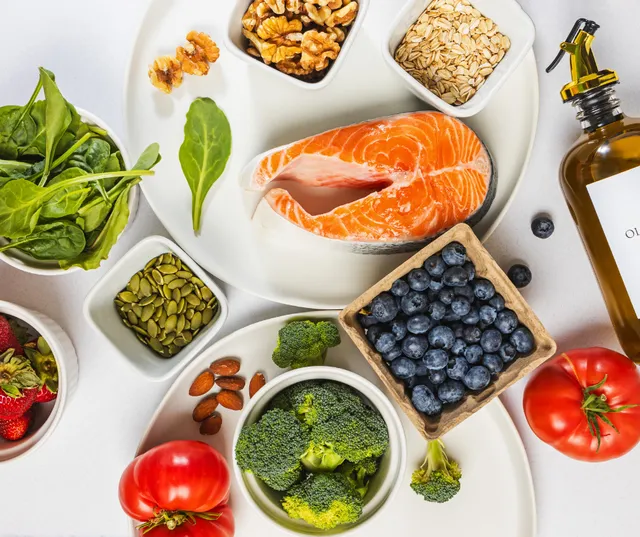
March is National Nutrition Month, and there is no better time to talk about how the foods you eat every day affect your oral health. Most people know that sugary snacks can lead to cavities, but a truly teeth healthy diet goes far beyond just cutting back on candy. The foods you choose, and the ones you avoid, can make a real difference in the strength of your enamel, the health of your gums, and even your risk for tooth loss over time.
At Staten Island Dental Boutique, we believe that good oral health starts well before you sit down in the dental chair. What you put on your plate three times a day plays a direct role in the condition of your teeth and gums. That is why we want to use this month as a chance to walk you through exactly which oral health foods deserve a regular spot in your diet, which ones you should think twice about, and how nutrition fits into a complete preventive care routine right here in Staten Island.
Key Takeaways
- Calcium-rich foods like dairy, leafy greens, and almonds help rebuild and strengthen tooth enamel.
- Crunchy, water-rich fruits and vegetables act as natural teeth cleaners between brushing sessions.
- Phosphorus found in eggs, fish, and lean meats works alongside calcium to protect enamel from decay.
- Sugary and acidic foods and beverages are the leading dietary drivers of tooth decay and enamel erosion.
- Drinking plenty of water, especially fluoridated tap water, helps rinse away bacteria and supports saliva production.
- A solid teeth healthy diet works best when paired with regular professional cleanings and dental exams.
Why Your Diet Is the Foundation of Any Teeth Healthy Diet
You brush, you floss, you rinse. That daily routine matters quite a bit. But what you eat is working on your teeth all day long, in between those brushing sessions. Every time you take a bite of food or a sip of a beverage, you are either helping or hurting the environment inside your mouth.
Bacteria in your mouth feed on the sugars and starches left behind after you eat. As they break those down, they produce acids. Those acids attack your enamel, the hard outer layer of your teeth, which leads to decay over time if your teeth are not given the minerals they need to recover and remineralize. A well-rounded, tooth-friendly diet provides those minerals and creates conditions in your mouth that make it harder for harmful bacteria to thrive.
This is a conversation we bring up regularly with patients here in Staten Island because so many people are surprised to learn just how much overlap there is between the foods a nutritionist would recommend for general health and the foods a dentist would recommend for your smile. The two are more connected than most people realize.
The Best Oral Health Foods for Strong Enamel
When we talk about oral health foods, the first category that comes to mind is anything that delivers calcium and phosphorus directly to your body. These two minerals are the main building blocks of tooth enamel, and your diet is the primary way your body gets them.
Dairy products like milk, cheese, and plain yogurt are among the most well-studied foods when it comes to dental health. Cheese is particularly notable because it actually raises the pH level in your mouth, which means it counteracts the acid that causes decay. A small cube of cheese after a meal can help neutralize acidity in a way that is surprisingly effective and easy to work into your day.
Phosphorus is found in eggs, lean meats, fish, and legumes. It works alongside calcium to keep enamel dense and resistant to damage. Most people eating a balanced diet get enough phosphorus naturally, but it is worth knowing that this mineral is actively supporting your teeth every single day.
Dairy, Leafy Greens, and Other Calcium-Rich Winners
Not everyone eats dairy, and that is completely fine. There are plenty of non-dairy sources of calcium that your teeth will benefit from. Leafy greens like kale, spinach, and collard greens are excellent choices. They are packed with calcium, and they also deliver folic acid, a B vitamin that supports gum health and has been linked to a reduced risk of gum disease.
Almonds are another standout option. A small handful provides a meaningful amount of calcium without a lot of sugar, and the chewing action they require actually stimulates saliva flow, which helps clean and protect your teeth naturally throughout the day. Tofu made with calcium sulfate is also worth mentioning, especially for patients who follow a plant-based diet.
For parents bringing their children to see us for pediatric dental care, this is a genuinely practical area to focus on at home. Children's teeth are still developing, and getting enough calcium during those formative years sets the stage for stronger adult teeth down the road. Building calcium-rich snack habits early on is one of the best gifts you can give a growing smile.
Crunchy Fruits and Vegetables That Clean as You Chew
One of the simplest upgrades you can make to your diet is adding more raw, crunchy produce. Apples, celery, carrots, and cucumbers all have a high water content and a firm texture that helps scrub the surfaces of your teeth while you chew. They are not a substitute for brushing, but they do help dislodge food particles and stimulate the flow of saliva between meals.
Saliva is your mouth's natural defense system. It rinses away bacteria, neutralizes acids, and delivers calcium and phosphate directly to your enamel. Anything that keeps your mouth producing saliva consistently is working in your favor, and raw fruits and vegetables are one of the most natural ways to do that.
Apples are sometimes called nature's toothbrush, and while that is a bit of an overstatement, they do offer real benefits. The fiber content in the skin acts as a mild abrasive, and the water in the flesh helps dilute the natural sugars. Pairing apple slices with a bit of cheese or almond butter gives you a snack that covers multiple nutritional bases for your teeth at once.
The Worst Foods for Your Teeth (And What to Swap In)
This part of the teeth healthy diet conversation is not about creating a list of foods you can never touch again. It is about being aware of which choices create more risk and making small adjustments that add up significantly over time.
Sugary beverages are at the top of the list for a reason. Soda, sports drinks, sweetened iced teas, and even fruit juices keep your teeth bathed in sugar for extended periods, especially if you are sipping on them throughout the day. The constant acid exposure from these drinks is one of the most common causes of enamel erosion that we see in patients here in Staten Island. Using a straw and rinsing with water afterward can reduce the damage if you do choose to have these drinks occasionally.
Sticky sweets and dried fruits are trickier than they look. Foods like gummy candies, caramel, and dried mango or raisins cling to the grooves and pits of your teeth long after you have finished eating them. They keep feeding bacteria for much longer than a piece of fresh fruit would, which is why that distinction matters.
Acidic foods, including citrus fruits and vinegar-based dressings, are not inherently harmful in reasonable amounts, but consuming them frequently and in large quantities can soften enamel over time. The key is to eat them as part of a meal rather than on their own, and to wait at least 30 minutes before brushing after eating something highly acidic.
A practical swap: instead of reaching for gummy snacks in the afternoon, try a handful of almonds with a few slices of apple and a small piece of cheese. You get crunch, calcium, and fiber, and your teeth are significantly better off for it.
Hydration and Oral Health: Why Water Belongs in Every Teeth Healthy Diet
Plain water, especially fluoridated tap water, is the single best beverage for your teeth. It has no sugar, no acid, and if it contains fluoride, it actively helps strengthen enamel and can reverse early stages of demineralization before they progress into cavities.
Staying well-hydrated throughout the day also keeps your saliva production steady. Dry mouth is a real concern for many people, particularly those who take certain medications, and it dramatically increases cavity risk because saliva is no longer doing its job. Drinking water frequently and limiting caffeine and alcohol intake can make a meaningful difference if dry mouth is something you deal with regularly.
Coffee and tea are worth discussing on their own. Plain, unsweetened coffee and tea are actually not particularly harmful to your teeth, and green tea contains compounds that can inhibit the growth of certain oral bacteria. The problem is that most people do not drink their coffee or tea plain. The added sugar and the acidity in flavored coffee drinks are where the real damage comes from. A simple habit of rinsing with water after your morning coffee helps reduce both staining and lingering acidity.
How Nutrition Fits Into Preventive Dental Care in Staten Island
Eating for your oral health is a powerful tool, but it is one piece of a larger picture. No matter how clean your diet is, you still need professional cleanings and exams to catch things that home care alone cannot address, like early decay between teeth, gum disease developing below the gumline, or bone changes that only show up on X-rays.
Our preventive dentistry services are designed to work alongside what you are already doing at home. Regular checkups give us a chance to monitor how your diet and hygiene habits are affecting your mouth over time, catch problems early, and offer personalized guidance based on what we actually see during your exam. Dr. Ronan and her team take the time to walk patients through what they observe and explain it in plain language, no jargon required.
You can also visit our patient resources page for additional guidance on caring for your smile between visits. And if it has been a while since your last checkup, National Nutrition Month is a perfectly good reason to get back on schedule. Small, consistent habits at the table and in the dental chair are what build a smile that holds up for decades.
Ready to Pair Good Nutrition with Great Dental Care?
Taking care of your teeth healthy diet is something you can start today. And when you are ready to pair those habits with professional care, our team at Staten Island Dental Boutique is here for you.
Call us at (347) 391-4393, book your appointment online, or reach out through our website. We are located at 1735 Richmond Ave, 2nd Floor, Staten Island, NY 10314.
No dental insurance? Our membership plan starts at just $299 per year and covers two preventive cleanings, exams, X-rays, and exclusive discounts on most treatments. It is one of the most straightforward ways to stay on top of your oral health in Staten Island without dealing with the complexity of traditional insurance.
Frequently Asked Questions About Oral Health Foods in Staten Island
What foods are best for a teeth healthy diet and enamel strength?
The best foods for a teeth healthy diet include calcium-rich options like dairy products, leafy greens, and almonds, along with phosphorus sources like eggs, fish, and lean meats. These nutrients work together to keep enamel dense and resistant to decay. Adding crunchy, water-rich fruits and vegetables like apples, carrots, and celery helps stimulate saliva and naturally clean teeth between brushing sessions.
How much does a dental cleaning cost in Staten Island?
The cost of a dental cleaning in Staten Island varies depending on the type of cleaning needed and whether you have insurance. At Staten Island Dental Boutique, located at 1735 Richmond Ave, 2nd Floor, Staten Island, NY 10314, patients without insurance can access our membership plan starting at $299 per year, which includes two preventive cleanings. Call (347) 391-4393 for specific pricing information.
How long does a routine dental exam and cleaning take?
A routine exam and cleaning at Staten Island Dental Boutique typically takes between 60 and 90 minutes for a first visit, and around 45 to 60 minutes for established patients. The appointment includes a thorough cleaning, X-rays as needed, and a full exam with Dr. Olena Ronan. We take the time to make sure every patient understands what we find and what, if anything, needs to be addressed.
Does dental insurance cover nutrition-related oral health concerns?
Dental insurance generally covers preventive care like cleanings and exams, which allows your dentist to monitor the effects of diet on your oral health over time. It does not typically cover specific nutrition counseling. At Staten Island Dental Boutique, Dr. Ronan and her team are happy to discuss dietary habits as part of any regular appointment. Patients without insurance can explore the membership plan options at sidentalboutique.com or by calling (347) 391-4393.
Are there foods that are particularly bad for children's teeth?
Yes. Sugary drinks, sticky sweets like gummy candies and dried fruit, and starchy snack foods like crackers and chips are particularly problematic for children's teeth because they cling to tooth surfaces and feed cavity-causing bacteria for extended periods. At Staten Island Dental Boutique, the pediatric dental care team helps families identify tooth-friendly snacking habits and build the foundation for healthy smiles from an early age. Learn more at sidentalboutique.com or by calling (347) 391-4393.
What drinks are worst for your teeth, and what should I drink instead?
Soda, sports drinks, sweetened coffee beverages, and fruit juice are among the worst drinks for your teeth because they combine high sugar content with acidity, creating conditions that erode enamel and feed harmful bacteria. The best alternative is plain water, particularly fluoridated tap water, which strengthens enamel and helps rinse away food particles and bacteria throughout the day. Plain milk is also a strong option for calcium and is much gentler on teeth than acidic beverages.
How often should I see a dentist even if I eat a healthy diet?
Even with an excellent teeth healthy diet and a consistent home care routine, most people benefit from seeing a dentist every six months for a professional cleaning and exam. Plaque and tartar accumulate in areas that brushing and flossing cannot fully reach, and regular checkups allow your dentist to catch developing issues before they become more costly or invasive. Staten Island Dental Boutique is located at 1735 Richmond Ave, 2nd Floor, Staten Island, NY 10314. Call (347) 391-4393 to get on the schedule.
Related Articles
.jpg)
