
Unlock the Benefits of Single Tooth Implants
March 4, 2026

Single tooth implants replace missing teeth while protecting nearby oral structures. A titanium post is placed in the jawbone to form a stable base for a replacement tooth. Beyond looks, implants improve chewing, last longer than many alternatives, and support overall oral health. This article covers the main benefits, the procedure, what to expect during recovery, and cost considerations so you can decide if implants are right for you.
What Are the Main Advantages of Single Tooth Implants?
Implants give you a durable replacement that acts like a natural tooth, so you can eat comfortably. They also help preserve jawbone volume and prevent the bone loss that follows a missing tooth. Aesthetically, crowns are matched to your teeth for a natural look.
Staten Island Dental Boutique prioritises patient comfort and personalised care, tailoring each implant procedure to the individual's needs to improve the treatment experience.
How Do Single Tooth Implants Improve Durability and Oral Function?
With proper care, implants can last 25 years or more. They're anchored in bone, so they don't shift the way dentures or some bridges can. That stability restores real biting force and makes eating easier.
Osseointegration — the bone fusing to the implant — lets the restoration behave like a natural tooth under normal chewing forces. Many patients notice a clear improvement in daily comfort and function after treatment.
In What Ways Do Implants Enhance Aesthetics Compared to Other Options?
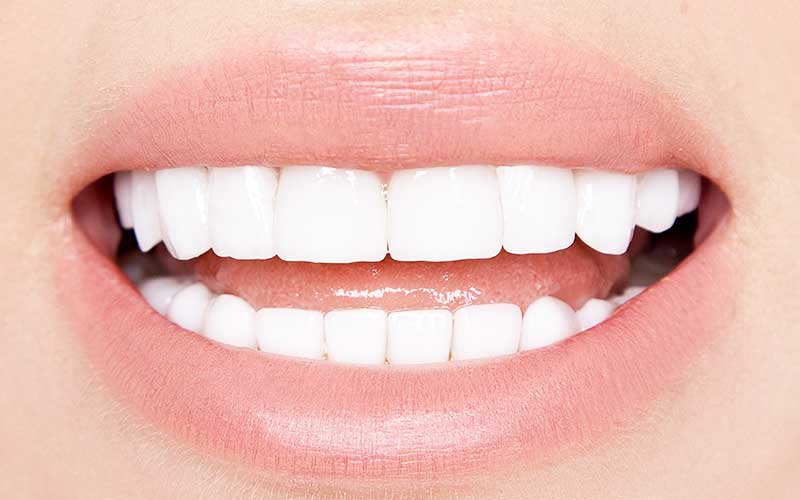
Implants are designed to blend with your existing teeth. Unlike some dentures that can look bulky, implant crowns are customised for colour, size and shape to match your smile.
Before-and-after images often show a marked visual improvement. Patients commonly report more confidence and greater satisfaction with their appearance after receiving implants.
How Does the Single Tooth Implant Procedure Work?
The procedure follows several key stages to ensure correct placement and integration. It starts with a full exam and consultation to assess oral health and plan treatment.
What Are the Step-by-Step Stages of Implant Placement?
Initial Consultation : The dentist evaluates the patient's oral health, discusses treatment options, and creates a personalized plan.
Surgical Placement : The titanium post is surgically inserted into the jawbone, where it will eventually fuse with the bone.
Healing Period : A healing period of typically 3 to 6 months allows for osseointegration, during which the bone grows around the implant.
Abutment Placement : Once healed, an abutment is attached to the implant, serving as a connector for the crown.
Crown Placement : Finally, a custom-made crown is placed on the abutment, completing the restoration.
How Does Modern Technology Like Digital Planning Improve the Procedure?
Digital planning uses precise imaging and 3D models so dentists can plan exact implant positions before surgery. That accuracy cuts surgical time and reduces patient discomfort. Improvements in implant materials and techniques have also raised success rates and outcomes.
Research highlights the importance of thorough planning that accounts for anatomical and aesthetic factors to achieve durable, long-term implant results.
Single Tooth Implant Planning: Factors for Esthetic & Long-Term SuccessEffective treatment planning combines clinical, radiographic and diagnostic findings to judge site suitability and anatomic limits. Planning must consider soft-tissue features such as gingival biotype, hard-tissue factors like bone quality and quantity, proximity to key anatomical structures, and the condition of adjacent and opposing teeth. Different oral regions demand different priorities: esthetic goals are paramount in the maxillary anterior area, while occlusal loads and biomechanical factors drive posterior planning. Recognising this regional variability is key for ideal implant position, reliable osseointegration and esthetic success.Treatment planning for single-tooth implant: a clinical guide and literature review, A Singh, 2025
What Should Patients Expect During Recovery and Aftercare?
Recovery is typically straightforward and most patients report only mild discomfort. Knowing the usual course of healing helps set realistic expectations.
What Is the Typical Recovery Time for a Single Tooth Implant?
Soft tissue usually heals in 1 to 2 weeks. Full osseointegration commonly takes 3 to 6 months, depending on bone density and overall health. Follow your dentist’s aftercare steps to support optimal healing.
How Is Pain Managed and What Are Aftercare Best Practices?
Pain is usually mild and manageable with over-the-counter medication. Aftercare best practices include:
Maintaining Oral Hygiene : Keeping the implant site clean is crucial for preventing infection.
Avoiding Hard Foods : Patients should stick to soft foods during the initial healing phase to avoid putting pressure on the implant.
Regular Follow-ups : Attending follow-up appointments allows the dentist to monitor healing and address any concerns.
How Do Costs and Financing Options Affect Single Tooth Implant Decisions?
Implant costs vary based on case complexity and materials. Knowing the financial side helps you plan and compare options before committing.
What Is the Average Cost of a Single Tooth Implant?
In the United States, a single tooth implant typically ranges from $3,000 to $5,000. That price generally covers the implant, abutment and crown and reflects the technology and expertise involved.
Considering financial implications and how patients and clinicians approach costs is an important part of choosing implant treatment.
Dental Implant Costs: Patient & Clinician Decision-MakingThis study examines how clinicians and patients balance clinical need and treatment choices within limited resources. Dental implant treatment is effective for missing teeth but is only provided by the NHS in certain clinical circumstances. Most people who receive implants therefore pay privately, often at considerable personal cost. People expect to contribute to dental expenses, but implant care is more costly than alternatives such as removable dentures. There is limited evidence on how dentists decide whether to offer implants or what patients weigh when deciding to pay for them.Paying for treatments?Influences on negotiating clinical need and decision-making for dental implant treatment, CE Exley, 2009
Which Financing Plans and Transparent Pricing Options Are Available?
Many practices, including Staten Island Dental Boutique , provide financing plans to spread costs. Options often include monthly payments so patients can manage the investment. Transparent pricing helps you understand the full financial commitment up front.
The table shows common financing choices so you can pick a plan that fits your budget while getting the care you need.
Frequently Asked Questions
What are the potential risks associated with single tooth implants?
Implants are generally safe but carry risks such as infection at the site, nerve injury, and sinus problems for upper-jaw placements. Poor placement can also cause failure. Discuss your medical history with your dentist and attend follow-ups to reduce risks.
How do I know if I am a good candidate for a single tooth implant?
Good candidates usually have enough bone density and are in good overall health. Gum disease, smoking and certain medical issues can affect suitability. A dentist will use imaging and exams to decide if implants are right for you and will design a personalised plan.
What should I do if my implant feels loose after placement?
Contact your dentist immediately if an implant feels loose. Looseness can signal infection, poor bone integration or mechanical problems. Early assessment with an exam and imaging lets your dentist recommend the right fix and protect the implant.
Can single tooth implants be placed immediately after tooth extraction?
Immediate implant placement after extraction is possible in some cases. It can shorten total treatment time and help preserve bone. Not every extraction site or patient is suitable, so your dentist will evaluate your condition before recommending immediate placement.
How do I maintain my single tooth implant for long-term success?
Care for an implant like a natural tooth: brush and floss regularly and keep routine dental check-ups. Avoid tobacco and manage health conditions such as diabetes. Follow your dentist’s aftercare instructions to support long-term success.
What are the differences between single tooth implants and dental bridges?
Both replace missing teeth, but implants use a titanium post placed in the jaw to mimic a tooth root. Bridges rely on adjacent teeth for support, which can weaken them over time. Implants also help preserve jawbone density, while bridges do not. Consult your dentist to choose the best option for your situation.
Conclusion
Single tooth implants offer a long-lasting, natural-looking way to replace a missing tooth. Their ability to fuse with the jawbone provides stability, and personalised care during the process boosts comfort. Choosing an implant can restore your smile and improve daily function. Contact us today to learn how implants could benefit your dental health.
Related Articles
.jpg)
