
Professional Teeth Whitening Near Me: The Complete Guide to Teeth Whitening Options, Costs, and Results
April 21, 2026
Teeth whitening has become a popular cosmetic dental procedure, offering individuals a chance to enhance their smiles and boost their confidence. This comprehensive guide explores the various options available for teeth whitening, including professional treatments and at-home kits, while also addressing costs and expected results. Many people struggle with stained or discolored teeth due to factors like diet, age, and lifestyle choices. Fortunately, teeth whitening provides a solution that can lead to a brighter, more attractive smile. In this article, we will delve into the differences between professional and at-home whitening, the effectiveness of various methods, associated costs, and tips for maintaining your results.
Research further elaborates on the common causes of teeth discoloration and the scientific basis behind the efficacy of whitening gels.
Causes of Teeth Discoloration & Whitening Gel Efficacy
A standard cosmetic dentistry procedure that is designed to improve the appearance of stained teeth is external dental whitening. Age, dietary choices, cigarette usage, or teeth trauma are among some of the causes of teeth discoloration. The objective of this study is to study the effects of whitening gels on teeth color, duration of effects, and potential adverse effects.
Comparative efficacy of external dental bleaching gels: a systematic review of whitening performance and longevity, G Das, 2025
What Are the Differences Between Professional and At-Home Teeth Whitening?
Professional teeth whitening and at-home whitening kits differ significantly in terms of effectiveness, safety, and results. Professional treatments, typically performed by dentists, utilize stronger bleaching agents that can achieve more dramatic results in a shorter time frame. In contrast, at-home kits often contain lower concentrations of bleaching agents, which may require longer application times to see noticeable effects.
Safety is another critical factor; professional whitening is conducted under the supervision of dental professionals, minimizing the risk of side effects. At-home kits, while convenient, may lead to uneven results or increased sensitivity if not used correctly. Understanding these differences is essential for individuals considering teeth whitening options.
How Does Professional Teeth Whitening Work?
Professional teeth whitening involves a systematic approach to achieving a brighter smile. The process typically begins with a consultation, where the dentist assesses the patient's dental health and discusses their whitening goals. During the treatment, a protective barrier is applied to the gums, followed by the application of a high-concentration bleaching agent to the teeth.
The whitening agent works by penetrating the enamel and breaking down stains, resulting in a whiter appearance. Many dental offices also use advanced technologies, such as LED lights, to enhance the effectiveness of the whitening process. Patients can expect to see significant results after just one session, making professional whitening a popular choice for those seeking immediate improvements.
What Are Common At-Home Teeth Whitening Kits and Their Effectiveness?
At-home teeth whitening kits come in various forms, including strips, gels, and trays. These products are designed for convenience and can be used in the comfort of one's home. Common options include:
- Whitening Strips: Thin, flexible strips coated with a whitening gel that adhere to the teeth.
- Whitening Gels: Applied directly to the teeth using a brush or tray.
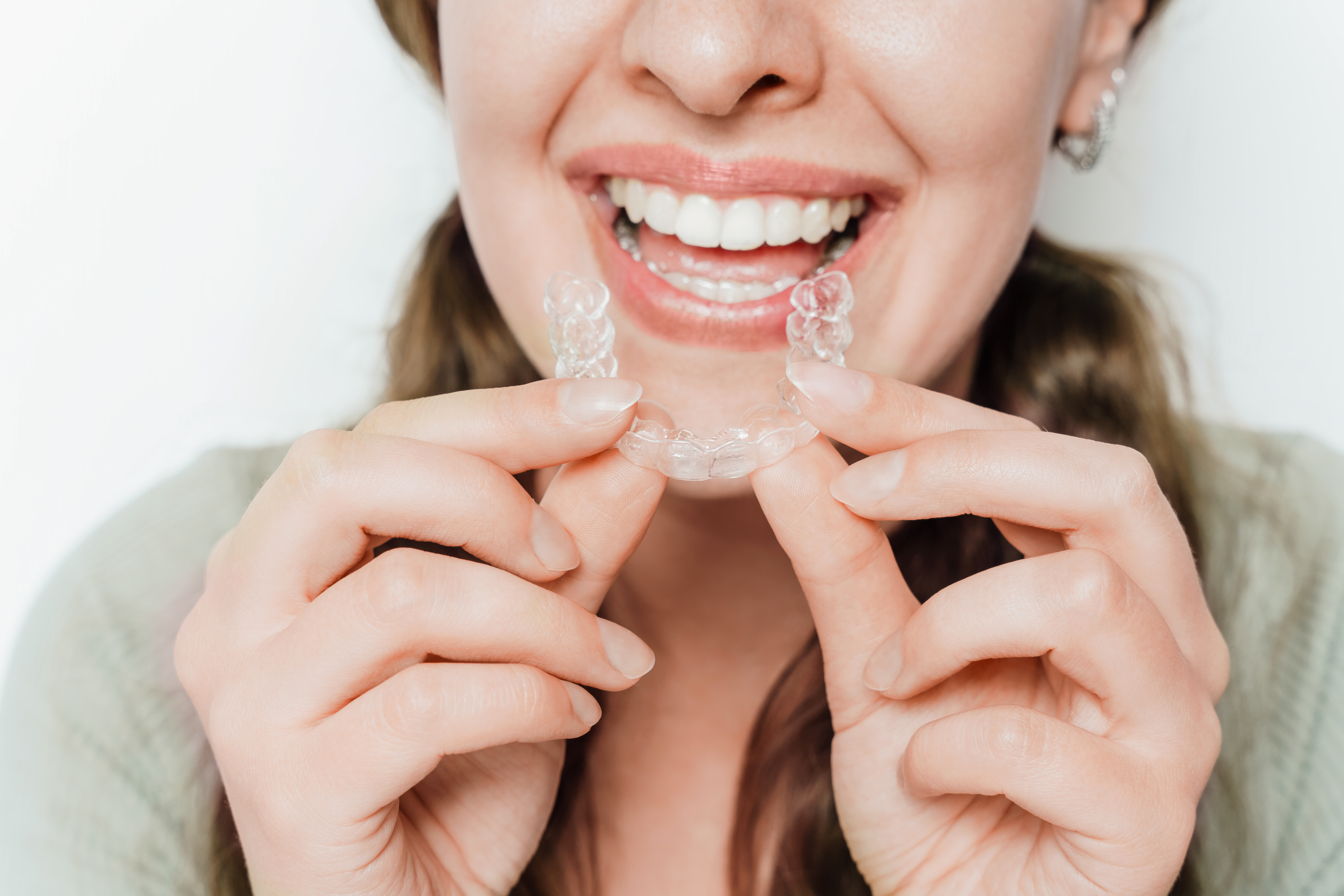
- Whitening Trays: Custom-fitted trays filled with a whitening gel that are worn for a specified period.
While at-home kits can be effective, results may vary based on the product's concentration and the individual's dental condition. Users should follow the instructions carefully to avoid potential side effects, such as tooth decay or gum irritation.
How Much Does Professional Teeth Whitening Cost and What Are Financing Options?
The cost of professional teeth whitening can vary widely based on the treatment type and the dental practice. On average, patients can expect to pay between $300 and $1,000 for in-office whitening treatments. Take-home kits provided by dentists may range from $200 to $600, depending on the product and the level of customization.
For those concerned about affordability, many dental practices offer financing options to help manage the cost of treatment. Payment plans can make professional whitening more accessible, allowing patients to achieve their desired results without financial strain. Visit Staten Island Dental Boutique to learn more about available financing options.
What Factors Influence the Cost of Professional Teeth Whitening?
Several factors can influence the cost of professional teeth whitening treatments. These include:
- Type of Treatment: In-office whitening is generally more expensive than take-home kits due to the use of advanced technology and professional supervision.
- Severity of Stains: Patients with more significant discoloration may require additional treatments, increasing overall costs.
- Location and Provider: Prices can vary based on geographic location and the dental practice's reputation and experience.
Understanding these factors can help patients make informed decisions about their whitening options and budget accordingly.
Are There Insurance or Payment Plans Available for Whitening Treatments?
Most dental insurance plans do not cover cosmetic procedures like teeth whitening. However, some dental practices offer membership plans or financing options that can help patients manage the costs. These plans may include discounts on whitening treatments and other dental services, making it easier for patients to maintain their oral health and achieve their desired smile.
Patients should inquire about available payment plans during their consultation to explore options that fit their budget.
What Are the Side Effects and Sensitivity Risks of Teeth Whitening?
While teeth whitening is generally safe, some patients may experience side effects, including tooth sensitivity and gum irritation. Sensitivity can occur due to the bleaching agents penetrating the enamel, leading to temporary discomfort. Gum irritation may arise from the whitening agent coming into contact with soft tissues.
To minimize these risks, it is essential to follow the dentist's instructions and use products as directed. Patients should also communicate any concerns with their dental professional to ensure a safe and effective whitening experience.
How Can Sensitivity Be Managed During and After Whitening?
Managing sensitivity during and after teeth whitening is crucial for a comfortable experience. Here are some strategies to consider:
- Use Desensitizing Toothpaste: Switching to a desensitizing toothpaste before and after treatment can help alleviate discomfort.
- Limit Whitening Frequency: Avoid overusing whitening products to reduce the risk of sensitivity.
- Consult with Your Dentist: If sensitivity persists, discussing alternative treatments or desensitizing agents with your dentist can provide relief.
By taking these precautions, patients can enjoy the benefits of teeth whitening while minimizing discomfort.
What Safety Measures Does Staten Island Dental Boutique Use to Minimize Side Effects?
At Staten Island Dental Boutique, patient safety is a top priority. The practice employs several safety measures during teeth whitening procedures, including:
- Professional Supervision: All treatments are conducted by experienced dental professionals who monitor the process closely.
- Use of Desensitizing Agents: To minimize sensitivity, desensitizing agents are applied before and after the whitening treatment.
- Customized Treatment Plans: Each patient's needs are assessed to create a tailored whitening plan that maximizes results while ensuring safety.
These measures help ensure that patients receive effective whitening treatments with minimal side effects. For more information, visit Staten Island Dental Boutique.
What Results Can Patients Expect from Professional Teeth Whitening?
Patients can expect significant improvements in the brightness of their smiles following professional teeth whitening treatments. Results typically vary based on the individual's dental condition and the treatment method used. Many patients report a difference of several shades, with some achieving a whiter smile in just one session.
It's important to note that results can also depend on factors such as oral hygiene practices and lifestyle choices. Maintaining good oral care can help prolong the effects of whitening treatments.
How Long Do Whitening Results Typically Last?
The longevity of teeth whitening results can vary based on several factors, including:
- Oral Hygiene: Regular brushing and flossing can help maintain a bright smile.
- Diet: Avoiding foods and beverages that stain teeth, such as coffee, tea, and red wine, can prolong results.
- Smoking: Tobacco use can lead to discoloration, diminishing the effects of whitening treatments.
On average, professional whitening results can last anywhere from six months to three years, depending on individual habits and care.
What Maintenance Tips Enhance and Prolong Whitening Effects?
To enhance and prolong the effects of teeth whitening, consider the following maintenance tips:
- Practice Good Oral Hygiene: Brush and floss regularly to keep teeth clean and bright.
- Avoid Staining Foods and Drinks: Limit consumption of coffee, tea, and red wine, which can contribute to discoloration.
- Use Whitening Toothpaste: Incorporating a whitening toothpaste into your routine can help maintain brightness.
By following these tips, patients can enjoy their whiter smiles for an extended period, maximizing the benefits of their whitening treatments.
Related Articles
.jpg)
