
Invisalign vs. Braces: Choosing the Best Orthodontic Treatment for You
April 14, 2026

When it comes to orthodontic treatment, the choice between Invisalign and traditional braces can be daunting. Both options aim to straighten teeth and improve oral health, but they do so in different ways. This article will explore the effectiveness, comfort, treatment duration, aesthetic preferences, lifestyle considerations, and cost of both treatments. By understanding these factors, you can make an informed decision that best suits your needs. Whether you are looking for a discreet option like Invisalign or the proven effectiveness of braces, this guide will help you navigate your choices.
Effectiveness
Effectiveness is a crucial factor when considering orthodontic treatments. Invisalign treatment options is generally effective for mild to moderate orthodontic issues, such as minor crowding or spacing. It utilizes a series of clear aligners that gradually shift teeth into the desired position. On the other hand, traditional braces are often recommended for more severe cases, including significant misalignment or bite issues. Consulting with a dentist is essential to determine which option is best suited for your specific needs.
Research further supports the varying outcomes and considerations for both Invisalign and fixed braces.
Invisalign Treatment Outcomes & Fixed Braces Option
well as a warranty that they would undergo a full fixed orthodontic treatment if they were not pleased with the results of the Invisalign treatment. Patients with a Class I occlusion with mild
The treatment effects of Invisalign orthodontic aligners: a systematic review, C Flores-Mir, 2005
Comfort
Comfort levels can significantly influence your choice between Invisalign and braces. Invisalign aligners are made from smooth plastic, which typically results in less irritation to the gums and cheeks compared to the metal brackets and wires of traditional braces. Additionally, the ability to remove aligners for eating and cleaning enhances comfort. However, some patients may experience discomfort during the initial adjustment period with both treatments. Ultimately, personal preference plays a significant role in determining which option feels more comfortable.
Treatment Duration
The duration of treatment can vary significantly between Invisalign and braces. Invisalign treatment typically lasts between 12 to 18 months, depending on the complexity of the case. Patients are required to wear their aligners for 20 to 22 hours a day for optimal results. In contrast, braces can take anywhere from 18 months to three years to achieve the desired results, depending on the severity of the orthodontic issues. Regular visits to the dentist for adjustments are necessary with braces, which can extend the overall treatment time.
Aesthetic Preferences
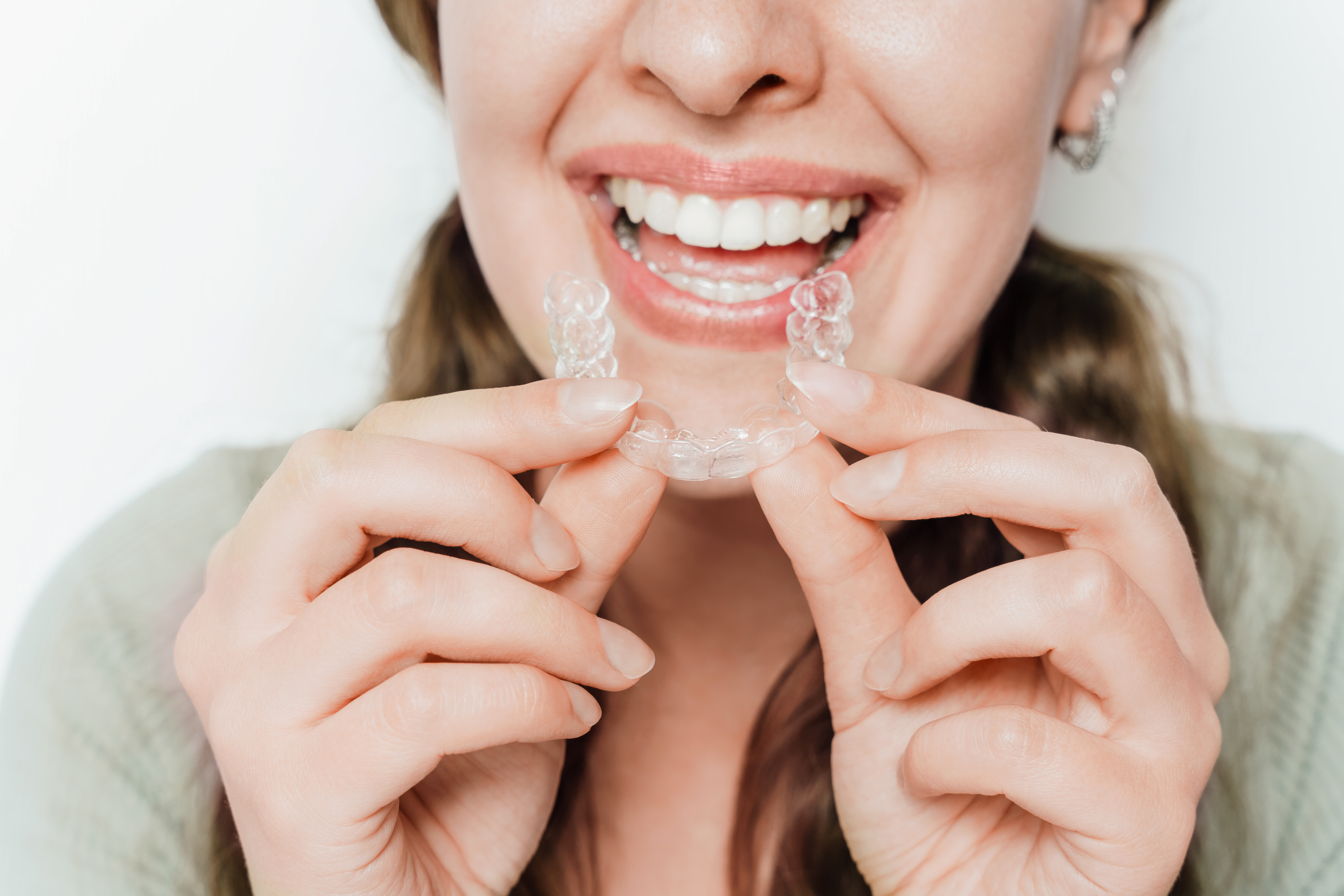
Aesthetic considerations are often a significant factor in the decision-making process. Invisalign aligners are nearly invisible, making them an attractive option for individuals concerned about their appearance during treatment. This discreet nature allows patients to maintain their confidence while undergoing orthodontic adjustments. In contrast, traditional braces are more visible, which may be a concern for some patients, especially adults. However, advancements in braces, such as ceramic options, have made them less noticeable than in the past.
Studies indicate a clear preference among adults for less visible orthodontic options.
Adult Preference for Clear vs. Metal Braces
Adults in Canada have a high preference for orthodontic treatment. Although all ages preferred clear braces, younger adult participants had a significantly higher preference for clear braces compared to metal braces, whereas older participants’ preference for clear braces was not significantly different from their preference for metal braces.
Adult patient preference for an orthodontic care provider in Canada, 2022
Lifestyle Considerations
Lifestyle can also impact the choice between Invisalign and braces. Invisalign aligners are removable, allowing for greater flexibility when eating and maintaining oral hygiene. Patients can enjoy their favorite foods without restrictions, which is a significant advantage. Conversely, braces require dietary adjustments, as certain foods can damage the brackets and wires. Additionally, patients with braces must be diligent about their oral hygiene routine, as cleaning around brackets can be more challenging.
The impact of orthodontic treatment on daily dietary habits has been a subject of systematic review.
Dietary Changes: Clear Aligners vs. Fixed Braces
This systematic review evaluated dietary changes during the first 6 months of orthodontic treatment between multibracket fixed appliances and clear aligners. MethodsFive databases (PubMed, Web of Science, Cochrane’s Database of Systematic Reviews, EMBASE, Scopus) were searched through January 2025 for longitudinal studies on healthy participants undergoing non-extractive orthodontic treatment with multibracket fixed appliances or clear aligners, assessing dietary changes.
Dietary changes in patients with clear aligners compared with fixed orthodontic appliances during the early stages of orthodontic treatment: A systematic …, 2025
Cost
Cost is a critical factor for many patients when choosing between Invisalign and braces. Generally, Invisalign can be more expensive, with treatment costs ranging from $3,000 to $8,000, while traditional braces typically cost between $2,500 and $6,000. It's essential to discuss financing options with your dentist, as many practices offer payment plans to make treatment more affordable. Additionally, some insurance plans may cover a portion of the costs for both treatments, so it's advisable to check with your provider.
Dentist's Recommendation
A dentist's recommendation is invaluable when deciding between Invisalign and braces. Each patient's orthodontic needs are unique, and a professional assessment can help determine the most suitable treatment option. Dentists consider factors such as the severity of the dental issues, the patient's age, and personal preferences when making their recommendations. A thorough consultation will ensure that you receive personalized advice tailored to your specific situation.
What Are the Key Differences Between Invisalign and Traditional Braces?
Invisalign and traditional braces differ in several key aspects:
- Visibility: Invisalign aligners are clear and nearly invisible, while braces are more noticeable due to metal brackets.
- Comfort: Invisalign is generally more comfortable, as the aligners are smooth and removable, whereas braces can cause irritation.
- Treatment Duration: Invisalign typically requires 12-18 months, while braces can take 18 months to 3 years.
- Dietary Restrictions: Invisalign allows for unrestricted eating, while braces require avoiding certain foods.
- Oral Hygiene: Invisalign is easier to clean since aligners are removable, while braces require more effort to maintain oral hygiene.
These differences highlight the importance of considering personal preferences and lifestyle when choosing an orthodontic treatment.
How Do Clear Aligners and Braces Work to Straighten Teeth?
Clear aligners, like Invisalign, work by applying gentle pressure to teeth through a series of custom-made aligners. Each aligner is designed to gradually shift teeth into the desired position over time. Traditional braces, on the other hand, use fixed brackets and wires to exert continuous pressure on the teeth, guiding them into alignment. Both methods aim to achieve the same end result: a straighter smile.
What Are the Advantages and Limitations of Each Treatment?
Both Invisalign and braces have their advantages and limitations.
Invisalign Advantages:
- Nearly invisible, enhancing aesthetic appeal.
- Removable for easy cleaning and eating.
- Generally more comfortable with less irritation.
Invisalign Limitations:
- May not be suitable for severe orthodontic issues.
- Requires patient compliance to wear aligners as directed.
Braces Advantages:
- Effective for a wide range of orthodontic issues, including complex cases.
- No need for patient compliance, as they are fixed in place.
Braces Limitations:
- More visible and can cause discomfort.
- Dietary restrictions and more challenging oral hygiene.
How Does the Invisalign Treatment Process Compare to Braces?
The Invisalign treatment process involves several steps, starting with a consultation where the dentist creates a digital treatment plan. Custom aligners are then produced, and patients wear each set for about two weeks before progressing to the next. Regular check-ups are necessary to monitor progress.
In contrast, the braces treatment process begins with the placement of brackets and wires, followed by regular adjustments to tighten the wires and ensure proper alignment. This process can be more time-consuming due to the need for frequent visits.
What Is the Typical Duration and Step-by-Step Procedure for Invisalign?
The typical duration for Invisalign treatment is between 12 to 18 months. The step-by-step procedure includes:
- Initial Consultation: The dentist assesses the patient's needs and creates a treatment plan.
- Custom Aligners: A series of aligners are created based on the treatment plan.
- Wearing Aligners: Patients wear each aligner for 20-22 hours a day, changing to the next set every two weeks.
- Regular Check-Ups: Patients return for check-ups every 6-8 weeks to monitor progress.
How Does the Braces Treatment Timeline and Care Differ?
Braces treatment typically lasts between 18 months to three years, depending on the complexity of the case. The timeline includes:
- Initial Consultation: The dentist evaluates the patient's orthodontic needs.
- Placement of Braces: Brackets are bonded to the teeth, and wires are threaded through.
- Regular Adjustments: Patients visit the dentist every 4-6 weeks for adjustments to tighten the wires.
- Removal and Retainers: Once treatment is complete, braces are removed, and retainers are provided to maintain alignment.
What Are the Cost Considerations for Braces Versus Invisalign?
Cost considerations for braces and Invisalign can vary significantly. Invisalign treatment costs range from $3,000 to $8,000, while traditional braces typically cost between $2,500 and $6,000. It's essential to discuss financing options with your dentist, as many practices offer payment plans to make treatment more affordable. Additionally, some insurance plans may cover a portion of the costs for both treatments, so it's advisable to check with your provider.
How Do Treatment Costs Vary Between Clear Aligners and Braces?
The treatment costs for clear aligners and braces can vary based on several factors, including the complexity of the case and the length of treatment. Generally, clear aligners tend to be more expensive due to the technology involved in creating custom aligners. However, the final cost will depend on individual circumstances and should be discussed during the initial consultation.
What Financing Options Are Available for Staten Island Patients?
For patients in Staten Island considering orthodontic treatment, various financing options may be available. Many dental practices, including Staten Island Dental Boutique, offer free consultations to discuss treatment options and costs. Additionally, promotional discounts may apply, and flexible payment plans can help make treatment more accessible. It's advisable to inquire about these options during your consultation to find a plan that fits your budget.
How Do Patient Comfort and Lifestyle Impact the Choice Between Invisalign and Braces?
Patient comfort and lifestyle are significant factors influencing the choice between Invisalign and braces. Invisalign offers more lifestyle flexibility, as the aligners are removable, allowing for easier eating and cleaning. In contrast, braces may require dietary restrictions and more effort in maintaining oral hygiene. Ultimately, the decision should align with the patient's comfort level and daily routine.
What Are the Comfort Levels and Aesthetic Benefits of Clear Aligners?
Clear aligners provide several comfort and aesthetic benefits. The smooth plastic material is less likely to irritate the gums and cheeks compared to traditional braces. Additionally, the nearly invisible nature of aligners allows patients to maintain their confidence during treatment. These factors make Invisalign an appealing option for those concerned about aesthetics and comfort.
How Do Braces Affect Daily Life and Oral Hygiene?
Braces can significantly impact daily life and oral hygiene. Patients with braces must be diligent about their oral hygiene routine, as cleaning around brackets can be more challenging. Dietary restrictions are also necessary, as certain foods can damage the brackets and wires. Regular dental visits for adjustments are crucial to ensure the treatment progresses as planned. Patient resources are available for those receiving orthodontic treatment.
Related Articles
.jpg)
