
Dental Bonding vs. Porcelain Veneers: Choosing Your Ideal Staten Island Smile Makeover
July 28, 2026
By Olena Ronan, Staten Island Dental Boutique
When considering a smile makeover, two popular options are dental bonding and porcelain veneers. Both treatments can enhance the aesthetics of your teeth, but they differ significantly in their application, materials, and results. Understanding these differences is essential for making an informed decision that aligns with your cosmetic goals. In this article, we will explore key distinctions, advantages, factors to consider when choosing between the two, and procedural specificities related to each option. Additionally, we will provide insights into costs and the ideal candidates for these treatments. By the end of this guide, you will better understand the options available to achieve your dream smile in Staten Island. For a wide range of cosmetic dentistry services, Staten Island Dental Boutique is a premier choice.
Key Differences
Dental bonding and porcelain veneers serve similar purposes but involve different materials and methods. Dental bonding uses a composite resin that is applied to the teeth and hardened with a special light. It is a quicker, less expensive option typically used to correct minor imperfections. In contrast, porcelain veneers are thin shells of tooth-colored porcelain that cover the front surface of the teeth and require more extensive preparation, including enamel removal. This leads to stronger, more durable results that often last longer than dental bonding.
The choice between these two methods can influence your appearance significantly. When comparing the durability and aesthetic qualities, porcelain veneers often provide a more natural look and resistance to staining. Thus, understanding your needs, preferences, and treatment goals is crucial in this decision-making process.
The Staten Island Dental Boutique prioritizes patient comfort and satisfaction, ensuring each procedure is tailored to individual needs, providing the best dental experience possible.
Advantages
Both dental bonding and porcelain veneers have unique advantages that cater to different cosmetic requirements.
- Benefits of Dental Bonding:Cost-Effective: Dental bonding is generally more affordable, making it an attractive option for patients seeking quick fixes.Quick Procedure: The bonding process can typically be completed in one visit, often within 30 to 60 minutes.Minimally Invasive: This treatment requires less alteration of the natural tooth structure compared to veneers.
- Benefits of Porcelain Veneers:Natural Appearance: Porcelain veneers provide a realistic look by mimicking the light-reflecting properties of natural teeth.Stain Resistance: Once properly placed, veneers resist staining and maintain their color over time.Durability: Porcelain veneers are more durable and can withstand everyday wear-and-tear for many years.
This comparison highlights that dental bonding may be more suitable for minor corrections and quick improvements, while porcelain veneers often provide superior aesthetic results for those looking for a long-lasting smile solution.
Factors to Consider
When deciding between dental bonding and porcelain veneers, several factors should be taken into account to ensure the best outcome for your smile makeover.
- Cosmetic Goals: Clarifying what you want to achieve, whether it’s correcting minor chips or improving overall tooth appearance.
- Budget: Understanding cost differences is vital. Dental bonding is generally more budget-friendly than porcelain veneers over the long term.
- Longevity Expectations: Consider how long you want the results to last. Porcelain veneers typically last longer than dental bonding.
Expert Guidance
Consulting a dental professional is crucial when navigating these options. A personalized evaluation will take into consideration your specific dental condition, aesthetic goals, and budget constraints. Expert guidance from experienced dentists can provide insights based on current technologies and techniques in cosmetic dentistry, which might influence your choice. Exploring all factors with a knowledgeable provider will empower you to make an informed decision about your smile transformation.
How Does the Dental Bonding Procedure Work for Smile Restoration?
Dental bonding involves a straightforward process where the dentist uses a tooth-colored composite resin. The procedure typically begins with the application of a soft etching solution to prepare the tooth. This allows the resin to adhere effectively. Following this, the dentist applies the resin and shapes it to match the natural contours of your teeth. Once it’s shaped, a special light hardens the resin, securing it in place.
The procedure is quick, and patients can often leave the office with an improved smile in less than an hour. It's important to follow up with good oral hygiene practices to maintain the bond's appearance.
What Is the Porcelain Veneers Process and Its Cosmetic Advantages?
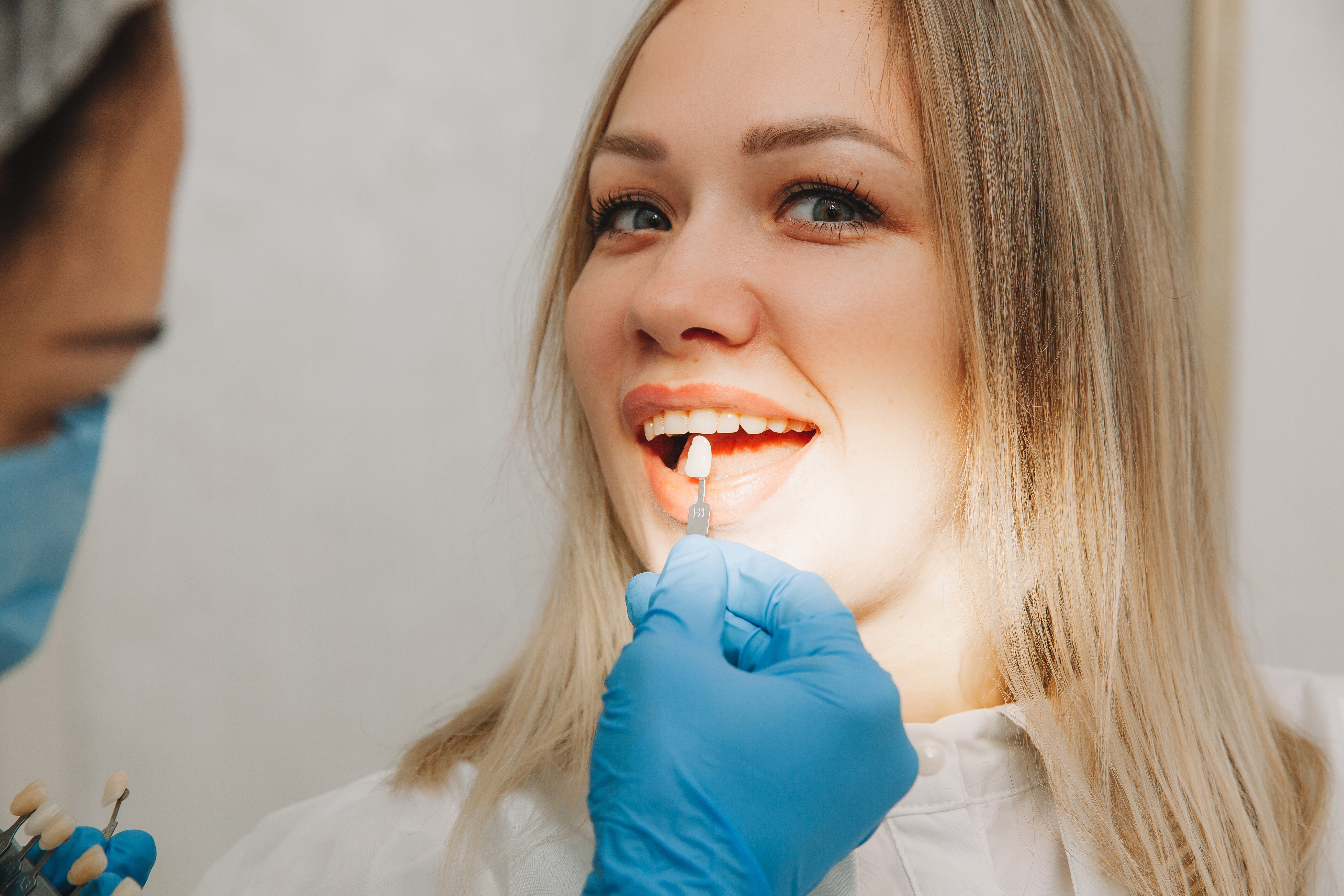
The porcelain veneers process begins with a consultation, followed by tooth preparation, which often involves removing a thin layer of enamel to ensure a proper fit. Molds are taken of your teeth to design custom veneers that match your desired shape and shade.
During a separate appointment, the final veneers are applied using a strong dental adhesive, ensuring they are securely bonded. The aesthetic advantages of porcelain veneers include their resistance to stains and their ability to closely replicate the look of natural teeth, making them a favored option for crafting beautiful smiles.
Research further supports the high success and survival rates of porcelain veneers, underscoring their effectiveness as a long-term cosmetic solution.
Porcelain Laminate Veneer Survival Rates: A Systematic Review However, the majority of studies have concluded that PLVs have high-success rates and predictable patient outcomes. The present literature indicates an increased heterogeneity among research study designs. Researchers should aim for homogeneous study designs that can be included in systematic reviews and meta-analyzes. Survival rates for porcelain laminate veneers: a systematic review, 2021
How Do Durability and Longevity Compare Between Bonding and Veneers?
Durability is a significant consideration in choosing between dental bonding and porcelain veneers. Dental bonding treatments can last between 3 to 10 years, depending on the location of the bonding and aftercare. In contrast, porcelain veneers may last anywhere from 10 to 15 years or longer, provided they are maintained with proper dental hygiene. Visit Staten Island Dental Boutique to explore long-term smile solutions.
The variation in lifespan is influenced by factors such as the patient's oral habits, diet, and the quality of the application. Understanding these differences helps patients make informed decisions based on their long-term smile goals.
What Are the Expected Lifespans of Dental Bonding Treatments?
Typically, dental bonding treatments have an expected lifespan of about 5 to 7 years. However, this can fluctuate based on individual care. Factors such as biting habits, dietary choices, and oral hygiene practices significantly influence longevity. Regular dental check-ups can help prolong the life of bonded teeth, ensuring that any wear or damage can be promptly addressed.
How Long Do Porcelain Veneers Typically Last with Proper Care?
Generally, porcelain veneers can last between 10 to 15 years, with some instances extending beyond this timeframe with appropriate care. It’s essential for patients to maintain good oral hygiene and attend regular dental appointments. Avoiding hard foods and practices that might damage the veneers ensures their longevity and keeps your smile looking vibrant.
Further clinical studies continue to confirm the impressive survival and complication rates of porcelain laminate veneers, solidifying their reputation as a durable cosmetic option.
Porcelain Laminate Veneers: Survival and Complication Rates ABSTRACT: Shebib, Ghalia, DDS, MSc;Mahaini, Salah, DDS, PhD;Mahaini, Luai, DDS, PhD;Kordaß, Bernd, DDS, PhD.International Journal of Clinical Dentistry; HauppaugeVol. 15, Iss. 4,(2022): 635-652. Survival and complication rates of porcelain laminate veneers with different ceramic materials: a systematic review, 2022
What Are the Cost Considerations for Dental Bonding and Porcelain Veneers in Staten Island?
Several factors influence the cost of dental bonding and porcelain veneers in Staten Island, including the complexity of the procedure, the materials used, and the expertise of the dental provider. On average, dental bonding can range from $300 to $600 per tooth, making it a more cost-effective solution for minor repairs. On the other hand, porcelain veneers typically cost between $1,000 to $2,500 per tooth, reflecting their durability and long-term value.
How Does Dental Bonding Cost Compare Locally Within Staten Island?
The average cost of dental bonding in Staten Island varies based on the specific dental office and the complexity of the case. Basic bonding sessions start around $300, while more intricate applications may go up to $600 per tooth. Understanding local pricing can help you find a treatment that aligns with your financial plan.
What Are the Investment Benefits of Porcelain Veneers in Staten Island?
Investing in porcelain veneers can be worthwhile due to their longevity, aesthetic benefits, and overall enhancement of one’s smile. Although the upfront cost may be higher, their durability and stain resistance can lead to cost savings over time since they require fewer replacements or repairs. Many patients find that the confidence boost provided by a beautiful smile is invaluable.
Who Is the Ideal Candidate for Dental Bonding Versus Porcelain Veneers?
The ideal candidate for dental bonding might be someone seeking a quick fix for minor imperfections, such as chips or gaps. This is an excellent choice for individuals looking for solutions that require less preparation and lower costs. It is also suitable for patients who may not wish to commit to a more permanent solution.
Which Patient Profiles Benefit Most from Dental Bonding Procedures?
Patients who have minor dental issues or who wish to enhance their smile without significant alterations to their teeth may benefit the most from dental bonding. Additionally, those on a tighter budget might find that bonding offers a viable and appealing option for improvements.
What Factors Determine Candidacy for Porcelain Veneers Smiles Makeovers?
Candidacy for porcelain veneers is typically determined by overall dental health, cosmetic goals, and personal preferences. Ideal candidates have generally healthy teeth and gums, as those with significant decay or periodontal issues might require treatment before considering veneers. Evaluating aesthetic goals alongside oral health ensures the best outcome for those choosing this cosmetic enhancement.
Related Articles
.jpg)
