
Comprehensive Teeth Grinding Treatment in Staten Island: Understanding Bruxism Symptoms, Causes, and Custom Night Guards
June 24, 2026

By Olena Ronan, Staten Island Dental Boutique
Teeth grinding, clinically known as bruxism, is a prevalent condition affecting many individuals, often leading to significant dental and health issues if left untreated. This condition can manifest in various ways, encompassing symptoms like jaw pain, headaches, and worn-down teeth. In this article, we will explore the common symptoms and causes of bruxism, the impact it can have on dental health, and effective treatment options available in Staten Island, particularly custom night guards. By understanding the nature of bruxism, patients can seek appropriate interventions to alleviate their symptoms and protect their dental health. We will delve into key sections, including recognizable symptoms, underlying causes, effective treatment methods, and the personalized approach offered by Staten Island Dental Boutique.
What Are the Common Symptoms of Bruxism and Jaw Clenching?
Bruxism often presents with a range of symptoms that can significantly disrupt daily life. Common indicators include jaw pain and sensitivity, frequent headaches, and noticeable wear on teeth. Those suffering from bruxism may also experience difficulty in jaw movement or a sense of tightness in the jaw muscles. This condition can be particularly detrimental as it affects not only oral health but also overall well-being.
Can Bruxism Cause Headaches and Tooth Damage?
Yes, bruxism can lead to headaches and tooth damage, predominantly due to excessive pressure applied to dental structures during grinding. The muscle tension associated with bruxism contributes to the development of tension-type headaches, and the repetitive grinding can wear down tooth enamel, increasing the risk of cavities and other dental complications.
What Causes Bruxism and How Is It Diagnosed?
Understanding the root causes of bruxism is essential for effective treatment. This condition can arise from various factors, including stress, anxiety, sleep disorders, and dental misalignments. Identifying these triggers during the diagnostic process is crucial for tailoring appropriate interventions.
How Do Staten Island Dentists Assess Bruxism?
Staten Island dentists typically assess bruxism through a combination of physical examinations and patient history. They may evaluate the condition of the teeth and jaw, looking for signs of wear, as well as discussing the patient's symptoms and stress levels. In some cases, advanced diagnostic tools may be utilized to measure the extent of teeth grinding and provide a clearer understanding of the patient's situation.
How Do Custom Night Guards in Staten Island Treat Bruxism Effectively?
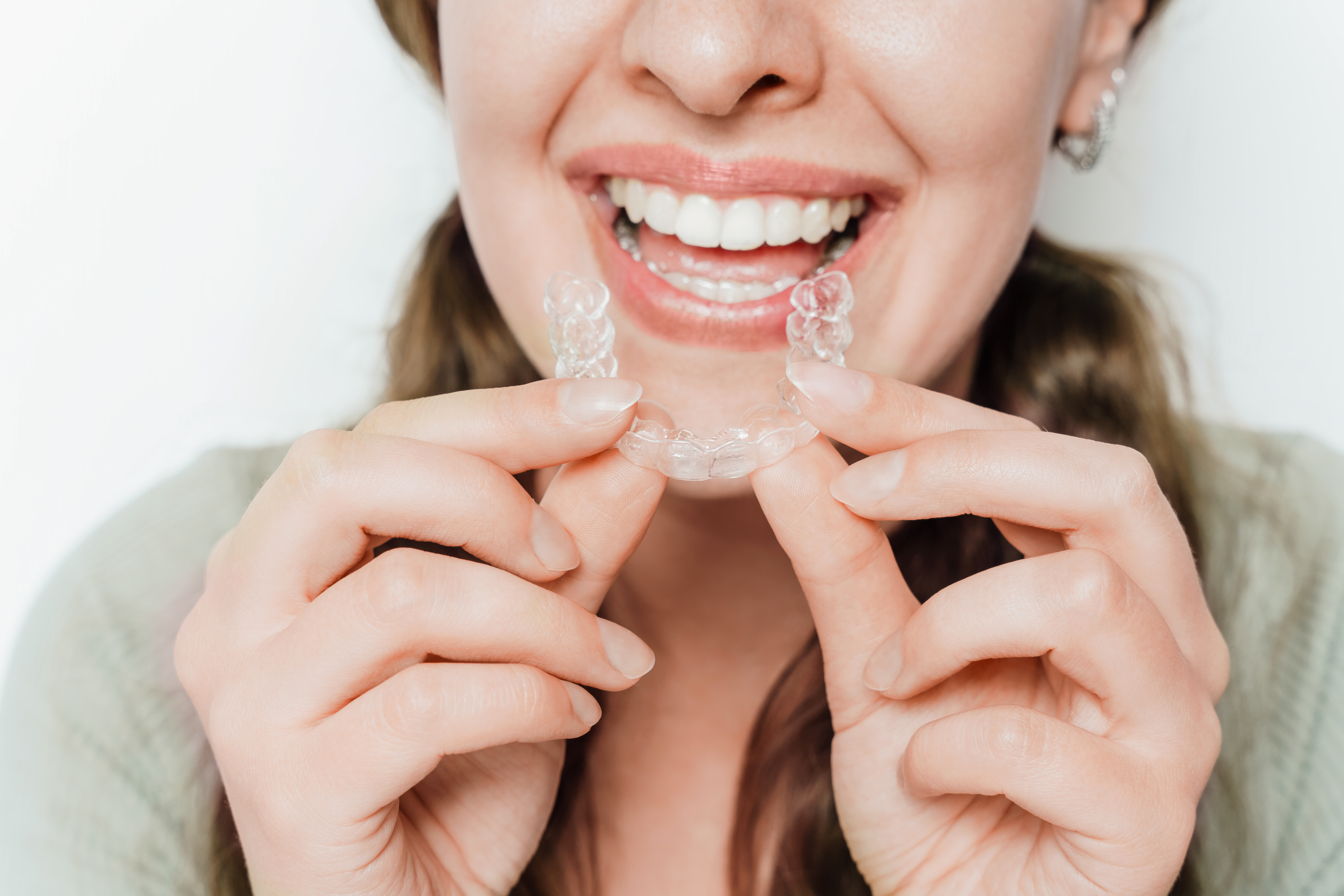
Custom night guards are considered one of the most effective solutions for managing bruxism. These dental appliances work by providing a protective barrier between the upper and lower teeth, reducing the risk of damage from grinding. By alleviating pressure on the jaw muscles, night guards can help relieve pain and tension associated with bruxism.
Occlusal Splints for Sleep Bruxism Treatment Efficacy
Sleep bruxism is an oral activity characterised by teeth grinding or clenching during sleep. Several treatments for sleep bruxism have been proposed such as pharmacological, psychological, and dental. To evaluate the effectiveness of occlusal splints for the treatment of sleep bruxism with alternative interventions, placebo or no treatment. Occlusal splints for treating sleep bruxism (tooth grinding), 2007
Mechanisms of Action
Custom night guards function by placing a cushioning barrier between the teeth, which helps prevent direct contact during grinding. This mechanism not only protects the teeth from wear and damage but also aids in relaxing jaw muscles, leading to reduced discomfort and tension.
Material Benefits
There are several types of night guards available, such as soft night guards for mild cases, dual-laminate night guards for moderate grinding, and hard night guards suited for more severe conditions. Each type offers unique advantages in terms of comfort, durability, and protective capabilities, ensuring that patients can choose a solution best suited to their individual needs.
Flexible vs. Hard Night Guards for TMJ and Bruxism
This research compares between the effect of flexible and hard stabilization splint (night guard, mouth guard) in the treatment of patients with tempro-mandibular joint problems. Four different categories of patients are used for comparison, each composed of ten patients. Category number one and two are treated with flexible mouth guard, while category three and four are treated with hard type of mouth guard for the same periods of time, one month and three months respectively. Analysis of the results indicate that patient category treated with soft stabilization splints for longer period of time show improved treatment and the patients are more relived and willing to continue the treatment than those treated with hard splints. Stabilization Splint (Night Guard, Mouth Guard) Comparative Research, 2009
Patient Testimonials
Many patients who have used custom night guards report significant improvement in sleep quality and a reduction in morning headaches and jaw pain. Positive experiences highlight the effective relief these devices provide, often leading to improved quality of life and better management of bruxism symptoms.
How Are Custom Night Guards Made Using Modern Dental Technology?
The process of creating custom night guards involves advanced dental technology. Initially, a comprehensive consultation is conducted to assess the patient’s bruxism condition and dental anatomy. Then, precise impressions of the teeth are taken, which are used to fabricate tailor-made night guards, ensuring a perfect fit and optimal effectiveness throughout the night.
Why Choose Staten Island Dental Boutique for Personalized Teeth Grinding Treatment?
Staten Island Dental Boutique stands out for its dedication to providing personalized care for patients dealing with bruxism. The team prioritizes understanding each patient’s unique circumstances, ensuring that treatment plans are tailored to individual needs and preferences.
What Is the Consultation and Appointment Process for Custom Night Guards?
The consultation process for custom night guard treatment involves an initial assessment where dentists evaluate the patient's condition and discuss treatment options. For personalized advice on protecting your dental health, it's recommended to learn more about custom night guards. Appointments can be scheduled conveniently by contacting the office directly. During these consultations, patients can expect a thorough understanding of their bruxism and comprehensive guidance on available treatment solutions.
Related Articles
.jpg)
